It is Wednesday at 3pm. You have a strategy session in fifteen minutes and you can feel your brain refuse to engage. The pastry at 11am felt like a small thing. So did the meal-deal sandwich at 1pm. They were not.
Most professionals treat that moment as a sleep problem, a stress problem, or a sign to push harder. It is almost always a fuel problem. The brain is 2% of your body weight, 20% of your fuel, and the quality of that fuel decides how the next three hours go.
This is the practical guide to what the right inputs actually are, the meal-timing tactics high performers use, and the inputs that quietly cost you focus without ever showing up on a calorie label.
| At a glance: The brain food essentials | |
|---|---|
| Steady glucose | Protein at every meal. Fibre and fat alongside any carbs. |
| Omega-3 fats | Two portions of oily fish a week. Algae oil if you don't eat fish. |
| B12, folate, iron | Often missed. Get tested if you are tired for no obvious reason. |
| Gut health | 30g of fibre a day. Thirty different plants a week. Skip the UPFs. |
| Meal timing | Protein-led mornings. Pre-meeting protein. Lighter, earlier dinners. |
| Decision load | Stop deciding what to eat. Spend the brainpower on the work. |
Steady Glucose Is the Foundation
Your 3pm crash is mostly a glucose story. Not the average glucose your GP would test once a year; the size of the swings between peaks and troughs across a working day. Big swings flatten focus, mood and decision quality. Small ones keep all three steady.
The ZOE PREDICT study put continuous glucose monitors on more than a thousand UK adults and fed them identical meals. Even on matched foods, individual responses differed substantially. Earlier work linked larger post-meal swings to lower cognitive performance and lower mood in the hours that followed. The principle is simple: the steadier the curve, the steadier the head.
What drives the big swings is fairly predictable. Refined carbs eaten alone (a pastry, a smoothie, a meal-deal sandwich) and ultra-processed snacks drive the largest peaks. Real food carbs eaten alongside protein, fibre and fat produce the smallest. The pattern repeats across age groups, fitness levels and metabolic profiles.
If you only change one thing, change the protein. The typical UK weekday breakfast and lunch run light on protein and heavy on refined carbs. Adding 30g of protein to each pulls the curve flatter than almost any other single intervention.
| What you feel | What flattens the curve | What spikes it |
|---|---|---|
| Sustained focus | Protein, fibre, fat, real food carbs | Pastries, white bread, sugary coffee |
| No afternoon dip | A protein-and-veg lunch under 600 kcal | Meal-deal sandwich and a smoothie |
| Steady pre-meeting | Small protein snack 60-90 min before | Biscuit, fizzy drink, sweet coffee |
| Tomorrow's focus | Lean, earlier dinner with vegetables | Late, heavy, refined-carb dinner |
Omega-3: The One Most People Are Short On
EPA and DHA are the two omega-3 fats that actually do the cognitive work. They sit inside the membranes of every neuron and shape how those cells fire, communicate and renew themselves. Adequate intake is associated with better cognitive ageing, lower depressive symptoms and steadier mood. Inadequate intake is associated with the opposite.
The UK guidance is two portions of fish a week, one of them oily. National data says the average adult eats roughly a third of that. A 2022 review found that omega-3 supplementation produced consistent, if modest, improvements in cognitive function in adults with mild cognitive impairment, with weaker effects in healthy adults. The signal is clear enough to act on, particularly if you are not regularly eating oily fish.
Natural first. Salmon, mackerel, sardines, anchovies, herring; the smaller fish are cheaper and carry less mercury. Two portions a week covers most people. Plant-based readers and vegetarians should consider an algae-based EPA/DHA supplement; the conversion rate from plant-source ALA in flax, chia and walnuts is too low to rely on alone.

Frive's Succulent Beef Pho with Rice Noodles, Fresh Herbs & Crisp Peppers.
The Three Deficiencies That Look Like Burnout
Three nutrient gaps show up clinically as the things every busy professional already blames on stress: fatigue, low mood, brain fog, irritability. The pattern is consistent enough that any high-performer who is tired in a way that does not respond to a weekend off should rule them out before reaching for another caffeine adjustment.
The first is vitamin B12. It insulates your nerve cells and helps you make several key neurotransmitters. Deficiency presents as fatigue, low mood and memory complaints; symptoms that map onto burnout almost exactly. Adults over 50, anyone on a proton pump inhibitor for reflux, and vegans and vegetarians who do not supplement are the at-risk groups.
The second is folate. It powers the manufacture of serotonin, dopamine and noradrenaline; the chemicals that govern mood, motivation and focus. The UK SACN position is that low folate status is common enough that the population would benefit from mandatory fortification of flour. Leafy greens, legumes and whole grains carry it naturally.
The third is iron, and it is the one most often missed. Iron deficiency impairs cognitive performance well before haemoglobin drops into anaemic range. Menstruating women, vegetarians, endurance athletes and frequent blood donors are the groups most likely to be running low. A ferritin test is cheap, fast and the only reliable way to know.
Your Gut Is Talking to Your Brain (Louder Than You Think)
The gut-brain connection used to sound like wellness-blog territory. It is now mainstream science. The vagus nerve carries information from gut to brain constantly, gut microbes produce neurotransmitters directly, and a growing body of research links a more diverse gut microbiome to better mood, better cognition and lower depression risk.
The inputs that build a diverse gut are unglamorous: fibre, fermented foods, plenty of different plants. Around 30g of fibre a day (the UK average is closer to 19g) and roughly thirty different plant foods across a week is the working target. The fibremaxxing primer walks through how to get there without overhauling everything. Recent diversity research suggests plant-count is the lever that produces the steepest gains in microbial richness.
The inputs that flatten gut diversity are equally clear. Ultra-processed foods and the emulsifiers and isolated fibres they carry are repeatedly shown to compress microbial diversity. The combined picture is that of a system that responds quickly to better inputs and degrades quickly under worse ones.
Meal Timing for Peak Cognition
When you eat shapes how the day runs almost as much as what you eat. Four timing tactics carry most of the value.
First, a protein-led morning. A breakfast built around 30g or more of protein (eggs, smoked fish, Greek yoghurt with seeds and nuts) blunts the morning glucose swing, suppresses appetite into the afternoon and sets the day on a steady track. The traditional UK toast or cereal does the opposite.
Second, the pre-meeting protein hit. A small protein-led snack 60 to 90 minutes before a high-stakes meeting holds focus better than caffeine alone. Greek yoghurt and berries, a hard-boiled egg, a small handful of almonds with biltong.
Third, lunch as a real decision rather than a forgotten one. The wrong lunch tanks the rest of the day. A protein-and-veg lunch under 600 kcal preserves the afternoon. The classic baguette-and-crisps meal deal does not.
Fourth, dinner that protects tomorrow. Late, heavy, refined dinners disrupt sleep architecture and carry over into the next day's cognitive performance. An earlier, lighter, vegetable-heavy dinner repays itself in tomorrow's first three hours of focus.
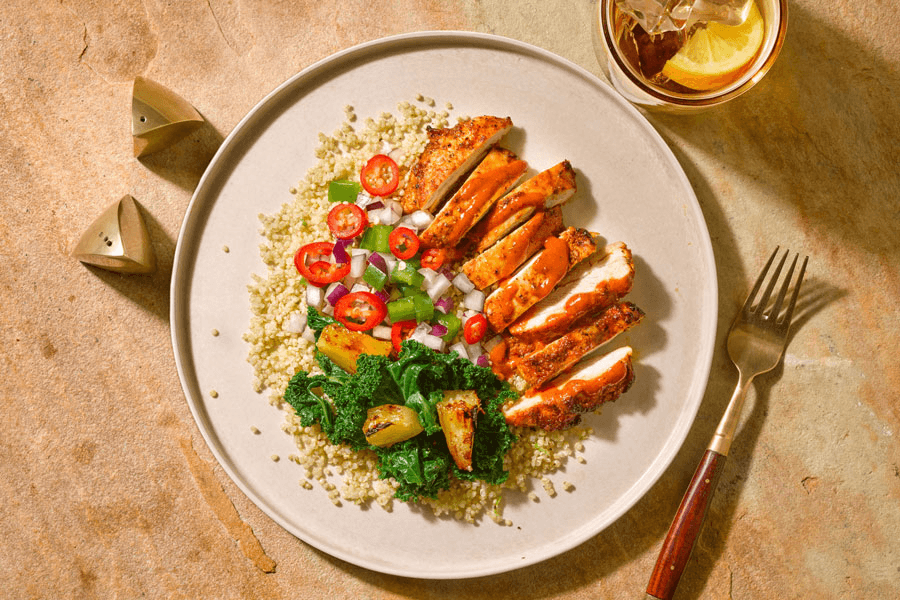
Frive's Yucatan Chicken Thighs with Quinoa & Caramelised Pineapple & Kale Salsa.
Four Inputs That Quietly Cost You
Four common inputs do disproportionate damage to cognitive performance. Three of them are still socially normal at the end of a long week.
Ultra-processed food is the first. The 2024 to 2026 evidence base on UPFs has tightened to the point where the cognitive case is now hard to argue with. Reduced microbial diversity, larger glucose swings, more inflammation, lower satiety. All of it shows up in focus, mood and energy.
Alcohol is the second, and the most under-estimated. Even moderate intake disrupts REM sleep and dulls executive function the following day. The two glasses with dinner on a Thursday cost more than they appear to.
Refined carbs and sugary drinks consumed in isolation are the third. The 11am biscuit and the post-lunch latte with syrup do specific, predictable damage to the curve. Eaten with protein, fibre and fat, the same carbs are far less of a problem.
Skipping meals on a stressful day is the fourth. It feels efficient. It is not. The glucose drop, the cortisol rise, and the larger compensatory dinner together undo whatever time was saved at lunch.
The Underrated Lever: Stop Deciding What to Eat
Cognitive performance is not only a substrate problem. It is also a budget problem. Roy Baumeister's original work on ego depletion has been argued over for two decades, but the practical observation has held up: the more decisions you make, the worse the late-day decisions tend to be.
This is why the people whose careers depend on a single high-quality late-day decision look almost identical on the boring stuff. Steve Jobs wore the same outfit. Mark Zuckerberg wears the same shirt. Several US presidents have used the same heuristic. The point is not the wardrobe; it is the principle of removing low-value decisions to protect the high-value ones.
Food is the highest-frequency recurring decision most professionals make. Three meals and a snack is four decisions a day, and the planning, shopping and preparation tail behind each one quietly costs another hour. Cumulatively, that is most of a working day a week. The planning, shopping and preparation tail behind food is the part most people undercount.
Spend the executive function on the work that compounds. Not on what to put in the air fryer at 7.45pm.
The System That Delivers Both
The honest challenge is that the right inputs and the time you actually have pull in opposite directions for most professionals. Cooking from scratch every weekday delivers the food, but it eats an hour you don't have between a 7pm call and a 10pm bedtime. Defaulting to convenience buys the time back but tanks the food. Sunday meal prep tries to do both and collapses by Wednesday for most adults.
This is the gap Frive was built to close. The menu is natural, glucose-friendly and nutrient-dense by design. 30g+ of protein in every main meal, vegetables hand-cut and cooked from raw, oily fish on the menu most weeks, and none of the emulsifiers, refined seed oils, isolated proteins or modified starches that turn up in the rest of the supermarket chiller. Three minutes from fridge to plate. The decision goes. The inputs arrive.
This is not a substitute for sleep, training or emotional health, all of which matter as much as nutrition. It is a substrate-and-decision intervention. For the executive whose default reaction to a heavy week is to skip lunch, order in dinner, and re-decide the same food question forty times a month, it is the highest-leverage change available. How it works runs through the operational detail.
Peak cognitive performance is not a stack of supplements. It is a steady supply of the right inputs, delivered without taxing the system you are trying to protect.
Stop deciding what to eat. See this week's Frive menu and put your brain food on autopilot.
Frequently Asked Questions
What are the best foods for brain function and focus?
Natural protein at every meal (eggs, oily fish, plain Greek yoghurt, lean meat, legumes), oily fish twice a week for EPA and DHA, plenty of leafy greens and other plants for folate and fibre, and real-food carbs rather than refined ones. Steady glucose, adequate omega-3 and a diverse gut do most of the work; supplements and "superfoods" do far less than people think.
Does sugar really cause brain fog?
Refined carbs and sugary drinks eaten without protein, fibre or fat drive a sharp glucose spike and a similarly sharp drop. The drop is where focus, mood and energy fall away. Eat the same carbs alongside protein and fibre and the effect is much milder. The problem is the isolation, not the carbs in absolute terms.
How much omega-3 do I actually need?
UK guidance is two portions of fish a week, one of them oily. That works out to roughly 450mg of combined EPA and DHA daily. Most adults eat about a third of that. If you do not eat oily fish, an algae-based EPA/DHA supplement is the cleanest way to close the gap; the conversion from plant ALA in flax or chia is too inefficient to rely on.
Can I biohack my way to better focus with supplements?
Supplements help when food intake is genuinely low (omega-3 for non-fish-eaters, B12 for some adults over 50 or strict vegans, vitamin D in UK winters). Most of the marketed "focus stacks" are caffeine in a hat. The compounding inputs are steady glucose, adequate omega-3, a varied diet for the gut, sleep and movement.
What should a high-performer eat for breakfast?
A breakfast with 30g or more of protein. Three eggs with smoked salmon and rye, Greek yoghurt with seeds and berries, a high-protein shake combined with natural carbs, or a savoury cooked breakfast that includes fish or eggs. The aim is to flatten the morning glucose curve and avoid the mid-morning hunger spike that derails decision-making.
Does decision fatigue affect what I eat?
Yes, and it runs both ways. As decision fatigue builds across the day, evening food choices get worse on average. Removing the food decision (by using a delivery service, pre-prepped meals, or a tight repeating menu) frees the budget for the work that matters and tends to improve nutritional quality in parallel.
Are meal-delivery services actually good for cognitive performance?
It depends entirely on the menu. Most UK meal-delivery and ready-meal services rely on emulsifiers, refined oils and isolated proteins to hit price points and shelf-life targets, which puts them on the wrong side of every input in this guide. A small number of services are built on natural ingredients and do match the requirements; Frive is one of them.