TL;DR
Vegetarian meal planning is harder than omnivore planning, and the fix is structure, not effort. A good week solves five problems, and the easiest DIY version is below: a 5-day meal plan built on batch cooking, not heroics. If even that is more admin than your week can hold, Frive’s dietician-approved vegetarian range does the whole job for you.
If you are vegetarian and busy, you know the ritual. Sunday afternoon: eleven recipe tabs open, a colour-coded shopping list, a genuinely hopeful trip to the supermarket. Monday goes beautifully. Tuesday holds. Then Wednesday happens, the meeting overruns, and dinner is cheese on toast eaten standing up at the counter.
This article is the honest version of the fix: why vegetarian weeks are harder to plan, the five problems a good week has to solve (with a quick self-check for each), a realistic 5-day meal plan that leans on batch cooking rather than willpower, and a straight comparison between doing the work yourself and having it done for you.
The Sunday ritual that never survives Wednesday
Here is the part the meal-planning blogs skip: the collapse is not a willpower problem. Vegetarian planning is harder than omnivore planning, and pretending otherwise is exactly why so many carefully built plans fail. The pattern is so predictable it deserves its own table:
Why are vegetarian weeks harder to plan?
Because three jobs that omnivore cooks barely think about all take deliberate effort once the default centre-of-plate is gone: anchoring protein, dodging beige convenience food and escaping the repetition trap.
Protein comes first. When there is no chicken breast making the decision for you, every meal needs its own deliberate protein anchor: lentils, tofu, paneer, eggs, beans. It is entirely doable, but it takes thought, and it is the thought most plans skip. Our vegetarian protein guide has the full numbers; the short version is that protein has to be planned, not hoped for.
Then there is the convenience gap. When an omnivore’s plan collapses, the fallback options are at least protein-shaped. The supermarket’s easy vegetarian options skew beige and ultra-processed: breaded, pastry-wrapped or drowned in cheese. For vegetarians, the convenient default is the worst version of vegetarian eating.
And finally the repetition trap. Most home cooks hold about four reliable vegetarian dinners in their heads. They are good dinners. By week three of the same rotation, nobody wants any of them, and the takeaway app starts making persuasive arguments.
None of this makes a good vegetarian week impossible. It makes it a design problem: five specific requirements that have to be met on purpose, every week, by someone. The only real question is who does the designing: you, on a Sunday afternoon, or someone qualified who has already done it.
What does a good vegetarian week actually need?
Five solved problems: protein at every meal, genuine variety, iron and B12 awareness, midweek speed and a zero-decision fallback. Get all five right and the week runs itself; miss one and Wednesday will find it. Each comes with a quick self-check, so you can see where your own week springs its leaks.
1. Protein at every meal
Every lunch and dinner needs a named protein anchor: a legume, a soy protein, eggs or dairy doing real work rather than decorating the plate. Lunch is where this slips first, particularly the desk lunch assembled from whatever is nearest; our lunch ideas for busy professionals cover that gap in detail.
Self-check: Can you name the protein in tomorrow’s lunch? If the honest answer is “some cheese, probably”, that meal needs an anchor.
2. Genuine variety
Variety is not a luxury; it is what stops the whole plan collapsing into beige. The fix is planned novelty: one genuinely new dish each week, or a rotation that changes without your involvement.
Self-check: How many different dinners did you eat last week? Four or fewer means the burnout is already booked.
3. Iron and B12 awareness
Neither needs to be scary; both need to be on the radar. The NHS advises that adults need about 1.5 micrograms of vitamin B12 a day, which vegetarians can cover with eggs, dairy and fortified foods; a B12 supplement is a reasonable backstop for anyone who eats little of either. Iron comes from beans, lentils, dark leafy greens, nuts and seeds. For the full nutrient-by-nutrient picture, our flexitarian nutrition guide goes deeper.
Self-check: Did legumes, eggs, dairy or fortified foods appear at least once a day last week?
4. Midweek speed
Monday’s enthusiasm will cook anything. Wednesday’s will not. A realistic plan puts the fastest dinners midweek and saves anything involving “reduce for 40 minutes” for the weekend. And for the nights when cooking is off the table entirely, there are honest ways to eat well without cooking at all.
Self-check: Does your Wednesday dinner take less than 15 minutes, door to plate?
5. A zero-decision fallback
Every week contains one night when the plan dies. The difference between a blip and a spiral is whether a healthy default exists that requires no decisions: something already in the fridge, already balanced, ready in minutes.
Self-check: If tonight’s plan collapsed at 8pm, what would you actually eat? If the answer is toast, the system has a gap.
What does an easy 5-day vegetarian meal plan look like?
Two batch-cooked dinners eaten twice each, one quick fresh cook on Friday, and breakfasts and lunches that mostly assemble themselves. That is the whole trick: five days of protein-anchored eating from just three cooking sessions.
The plan below is deliberately unheroic, because you are busy and heroic plans die on Wednesday. Breakfasts rotate between two options you can make half-asleep. Both batch dinners are cooked in four portions, so each covers two dinners and a lunch. Nothing needs a recipe video.
This works because it quietly solves the five problems above. Every meal has a named protein anchor (legumes, eggs, dairy, paneer), the two batches kill the midweek scramble, and the leftovers double as the zero-decision fallback. Swap any dinner for your own reliables; the structure matters far more than the dishes.
And now the honest framing. Even this stripped-down version costs something: two batch-cooking evenings, a shopping trip and the discipline to defend both. Call it two to three hours a week, down from five. Some people genuinely enjoy that job, and this article is not here to talk them out of it. The next section is for everyone else.
Should you plan it yourself or have it done for you?
If you love cooking, keep cooking; a plan you enjoy running is a plan that survives. If the planning has quietly become unpaid admin, the comparison is worth a minute of your time.
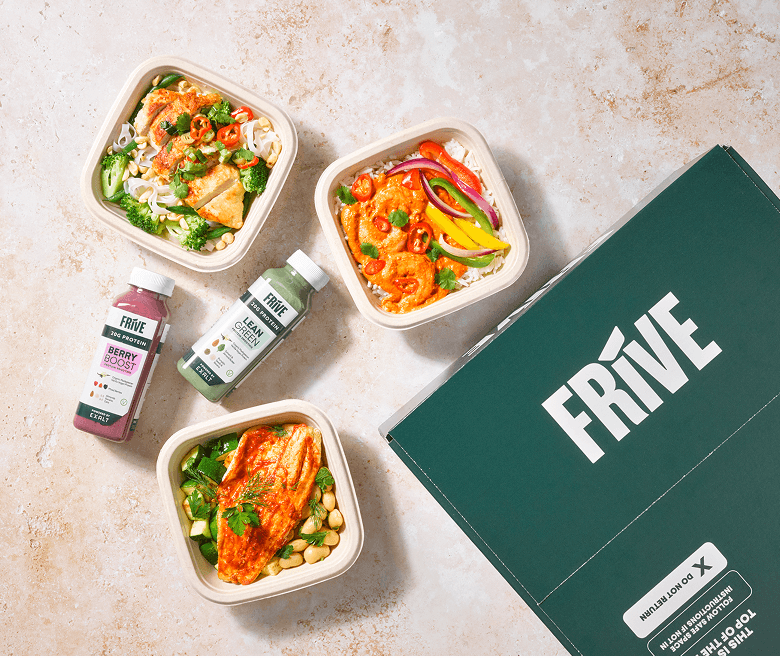
Frive’s dedicated vegetarian range is, in effect, the plan you keep trying to write: dietician-approved, protein-anchored, personalised to your goals and rotating monthly so it never becomes the fourth halloumi dinner.
The quality gap from the beige fallback is the whole point. These are 100% natural meals, with vegetables from New Covent Garden Market at Class 1 standard, hand-cut and never frozen, no ultra-processed ingredients and no pre-made sauces. It is the opposite of the breaded freezer option, and it arrives with none of the effort.
Loading the menu…
What does a Frive vegetarian week actually look like?
Like the plan on your Sunday list, minus the Sunday: varied dinners, protein-anchored lunches and nothing to decide at 8pm.
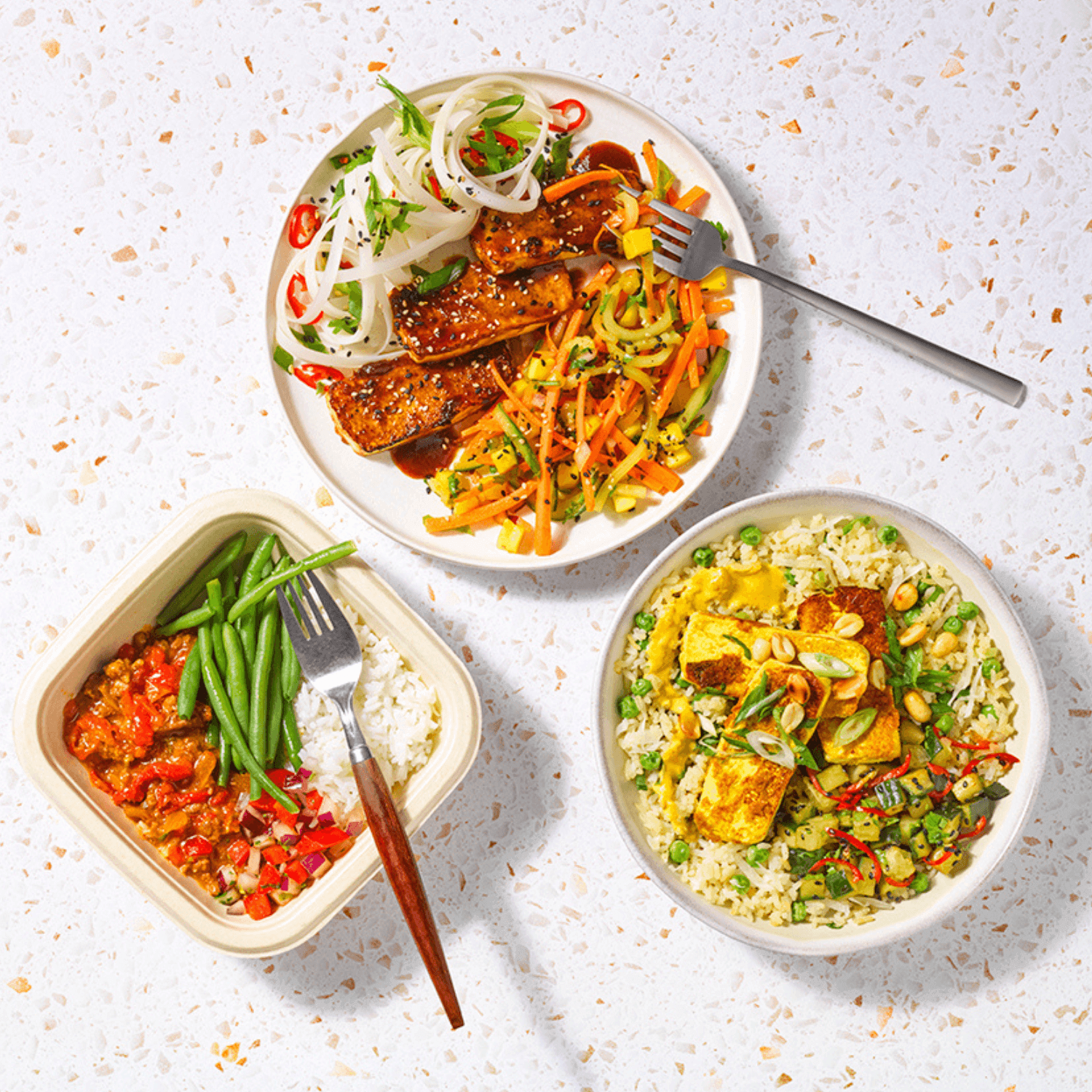
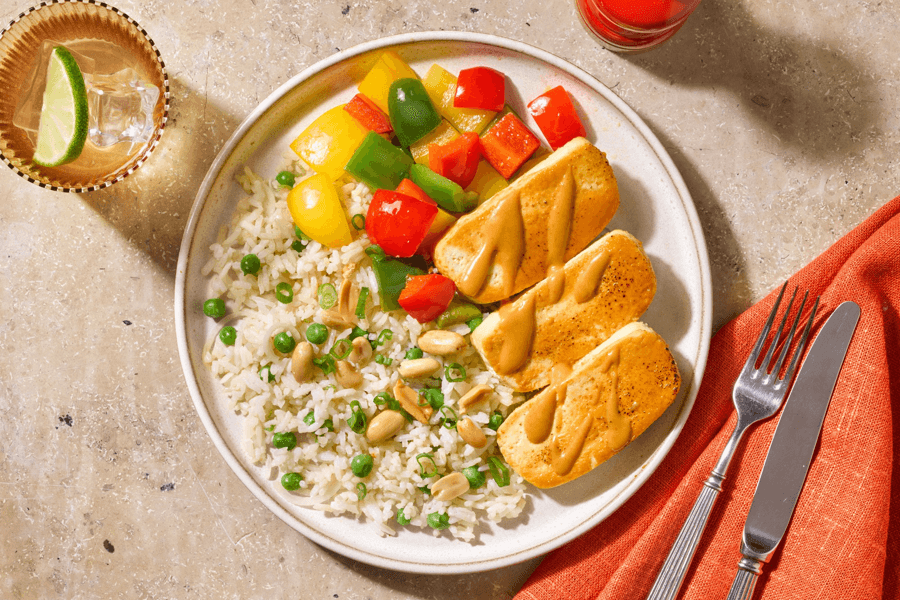
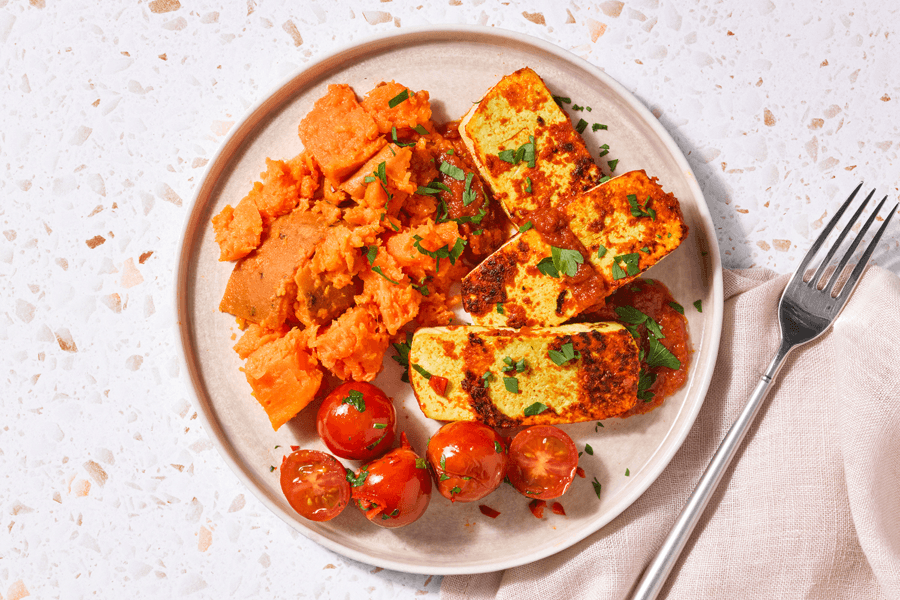
Dinners rotate through archetypes rather than repeats: a vegetarian protein bowl one night, a lentil and paneer dish the next, a tofu stir-fry after that. Lunches hold their own on protein instead of defaulting to cheese. Midweek speed is built in, because every meal is ready in around three minutes. And the zero-decision fallback is covered by definition, because every night the fridge already holds a balanced dinner that requires no thought at all.
Stat worth knowing: Frive customers save up to 7 hours a week by replacing the entire plan-shop-prep-cook cycle with dietician-approved meals delivered ready to heat.
It also plays well with a hybrid week. Plenty of people keep Sunday as a cooking day because they genuinely enjoy it, and let Frive cover Monday to Thursday, which is exactly where the plan used to fail. The point is not to replace the cooking you love; it is to delete the admin you do not.
You do not need to be fully vegetarian for any of this to work. Flexitarians who mix a few Frive vegetarian meals into an omnivore week get the same benefit: meals that hold their own on protein quietly retire the idea that meat is the only anchor a dinner can have.
If your Sunday deserves better than eleven recipe tabs, browse this week’s menu and see what a solved vegetarian week looks like. The plan is already written. It just arrives on your doorstep instead.
FAQs
How do I plan a week of vegetarian meals?
Keep it unheroic: batch-cook two protein-anchored dinners in four portions each (a lentil curry, a bean chilli), eat each twice and use the spares as lunches. Rotate two easy breakfasts, finish with one quick fresh cook on Friday, and decide a healthy fallback in advance.
How do vegetarians get enough protein without planning every meal?
Make protein the default rather than a daily decision. Keep anchors such as eggs, Greek yoghurt, lentils and tofu permanently stocked and build every plate around one of them, or use a protein-anchored meal service like Frive so each meal arrives with the protein already counted.
Is there a vegetarian meal delivery service in the UK?
Yes. Frive delivers a dedicated vegetarian range across the UK: dietician-approved, natural meals that are protein-anchored, personalised to your goals and ready in around three minutes. The menu rotates across 100+ meals monthly, so a vegetarian week stays varied without any Sunday planning.
Do Frive vegetarian meals have enough protein?
Yes. Every Frive vegetarian meal is dietician-approved and built around a genuine protein anchor, such as legumes, paneer or tofu, rather than relying on cheese or pastry. Meals are personalised to your goals, so higher-protein options are there for anyone training or managing their weight.
Why do vegetarian meal plans fail by midweek?
Because the effort is front-loaded. Sunday’s enthusiasm plans ambitious dinners; Wednesday’s energy cannot cook them. Add the vegetarian-specific gaps (protein needing deliberate thought, and beige convenience food as the fallback) and midweek is where plans collapse. Fast midweek dinners and a zero-decision fallback fix it.
Can flexitarians use Frive’s vegetarian meals?
Yes, and many do. Mixing vegetarian Frive meals into an omnivore week works because each meal holds its own on protein, so nothing is lost by skipping meat a few nights. It is one of the easiest ways to eat more plants without planning around the change.
Do vegetarians need iron or B12 supplements?
Not automatically. The NHS advises about 1.5 micrograms of vitamin B12 a day, which eggs, dairy and fortified foods can cover, while iron comes from beans, lentils, leafy greens and seeds. A B12 supplement is a sensible backstop if you eat little dairy or egg; ask your GP if unsure.