You're in a 3pm meeting, the screen is blurring, and your focus has completely checked out. You find yourself nodding along to a colleague on Zoom while your brain wades through thick fog. By this point, that third coffee has likely kicked in, providing jitters rather than any genuine mental clarity.
Most people write this experience off as an inevitable part of the working day. You might assume you just need a better night's sleep, or that the afternoon slump is just how afternoons feel.
The evidence points elsewhere. Research from Brigham Young University found that employees with unhealthy diets are 66% more likely to report significant productivity loss during the day. What you eat for lunch determines whether your brain stays sharp or shuts down.
A default lunch (a quick supermarket meal deal or a bowl of pasta) often forces your body into an energy crash. Adjust your midday routine, and you reclaim those lost afternoon hours. Here's the roadmap.
| The afternoon energy crash: At a glance | |
|---|---|
| The biology | Post-prandial fatigue is real, but food choice amplifies or minimises it dramatically. |
| The crash mechanism | Refined-carb lunches spike insulin, drive blood sugar lower than baseline, and trigger serotonin via tryptophan. |
| The protein gap | Most office lunches contain less than half the 30g of protein needed to keep dopamine and norepinephrine working. |
| The 3pm wall isn't sleep debt | It's the predictable result of an under-protein, refined-carb lunch interacting with the natural circadian dip. |
| The fix | Build lunches around quality protein, fibre-rich carbs, and healthy fats. Or remove the decision entirely. |
| Reclaim the afternoon | Frive's chef-prepared, macro-balanced meals make the high-performance lunch the easiest option. |
Why do I feel tired after lunch? The science of the slump
Scientific circles call the post-meal tiredness post-prandial somnolence. The biology behind it is simple: your body diverts energy to digestion, and your brain pays the price.
Most people experience a natural dip in alertness between 1pm and 3pm thanks to their circadian rhythm. A midday meal can either act as a stable bridge across that lull, or a weight that pulls you into a total energy crash.
Avoid the glucose rollercoaster
A lunch heavy in refined carbohydrates (white bread, pasta, sugary snacks) triggers a rapid spike in blood sugar. Your body recognises the surge as an emergency and floods the bloodstream with insulin to bring those levels back down. The reaction often overshoots the target.
Research indicates that a sharp insulin spike can pull your blood sugar lower than it was before you started eating. Because your brain runs on a steady supply of glucose, that sudden trough leads directly to the mental fog and irritability you feel by 2:30pm.
Switch off the serotonin sleep signal
The metabolic impact of a high-carb lunch goes beyond energy levels and actively changes brain chemistry. Large carbohydrate loads facilitate the movement of an amino acid called tryptophan into the brain.
Once tryptophan crosses the blood-brain barrier, it converts into serotonin and melatonin. These chemicals act as the primary signals for relaxation and sleep. A meal high in sugar or refined starches effectively tells your brain it's time to shut down for a nap rather than focus on a spreadsheet.
Wake up your wakefulness switch
Your brain has a built-in wakefulness switch. Orexin/hypocretin neurons are specific cells in the hypothalamus that act as your internal "on" button, keeping you alert and motivated. Neurological studies show these cells are incredibly sensitive to glucose.
High sugar levels from a default lunch physically flip this switch to "off". You hit a wall of heavy lethargy that even a double espresso can't climb over, because your biological wake signal has been silenced.
The lunch most professionals are eating
The meal deal sandwich, the plastic pasta pot, the takeaway wrap: the standard office lunch is structurally designed to create an energy crash. These options have become the default not because they support productivity, but because they fit the constraints of a busy schedule.
Fill the protein gap
The biggest hurdle to afternoon alertness is the chronic lack of protein in standard convenience meals. Sports nutrition research suggests a midday target of 30g+ of high-quality protein for sustained focus and muscle protein synthesis. The average supermarket sandwich contains less than half of that.
For practical examples that hit the threshold without a meal-prep marathon, our guide on quick and healthy lunch ideas for busy professionals walks through the mechanics.
What a high-performance lunch actually looks like
Building a lunch for sustained energy is less about restriction and more about strategic assembly. One simple framework prioritises how nutrients interact with your biology to keep your brain alert.
The three-component tripod
Think of your lunch as a tripod. Each leg supports cognitive function. If one is missing, your energy collapses by mid-afternoon.
Quality protein (the anchor): A palm-sized portion of chicken, salmon, eggs or tofu. Hitting the 30g threshold quietens hunger signals and provides the building blocks for focus-driving neurotransmitters.
Fibre-rich carbohydrates (the buffer): A fist-sized portion of vegetables or whole grains. Fibre acts as an internal shield that slows sugar absorption, ensuring a steady stream of energy.
Healthy fats (the fuel): A thumb-sized portion of avocado, olive oil or nuts. Fat slows gastric emptying, keeping you satisfied for longer.
| Instead of | Choose | The performance benefit |
|---|---|---|
| Meal deal sandwich and crisps | Quinoa or lentil bowl with leaves | Slow-release fuel; no insulin spike |
| Supermarket pesto pasta or rice pots | 30g+ lean protein (grilled chicken, salmon or tofu) plus a side of greens | Direct precursors for dopamine and focus |
| Low-fat dressings | Avocado or olive oil | Slower digestion; longer satiety |
| Sweetened protein bar | A handful of nuts plus Greek yoghurt | Steady glucose; no artificial-sweetener insulin response |
Why protein is the secret to afternoon alertness
Protein doesn't just repair muscle. It's the primary driver of cognitive drive. Where carbohydrate-heavy lunches trigger relaxation, protein-rich meals provide the building blocks for alertness.
Consuming high-quality protein provides the building blocks for dopamine and norepinephrine: the brain chemicals that keep you feeling "on" and motivated. Without it, your brain lacks what it needs to stay sharp during a high-pressure afternoon.
Quality over isolation
The source of your protein matters as much as the amount. Natural sources (lean meats, fish, eggs, pulses) provide a complex nutrient matrix that your body processes steadily.
Compare that with industrial protein isolates in supermarket bars and shakes. They often lack the natural co-factors found in real food, and many contain artificial sweeteners that trigger a disruptive insulin response of their own.
The hidden cost of convenience
Grabbing a meal deal or a quick wrap is rarely a willpower failure. By midday, your brain has processed hundreds of decisions, leading to a state of cognitive depletion called decision fatigue. When mental resources run low, you naturally gravitate toward the path of least resistance.
Most work environments are built for speed, not for sustained energy. The result is a convenience tax that you pay in the form of afternoon brain fog.
Why the default choice often fails
Decision fatigue research shows your cognitive bandwidth is a finite resource. By 12:30pm, the bandwidth required to find a balanced meal often vanishes, leading to several common pitfalls.
Convenience bias: You choose a supermarket sandwich or fast-food app because it's available, not because it supports your focus.
Hidden productivity costs: Ultra-processed lunches feel like time-savers, but they often cost you 2 to 3 hours of peak output through the subsequent energy crash.
Willpower limitations: Relying on discipline to eat well while hungry and stressed is a losing strategy.
Automation over willpower
Success comes from removing the need for midday decision-making entirely. Studies in behavioural economics suggest that when healthy options become the default, people stick to them without feeling restricted.
Reclaim your afternoon by setting up a system that automates your nutrition. Whether you meal prep or use a delivery service like Frive, the goal is the same: make the high-performance choice the easiest one. Stop fighting a broken food environment and create a routine designed to protect your energy levels instead.
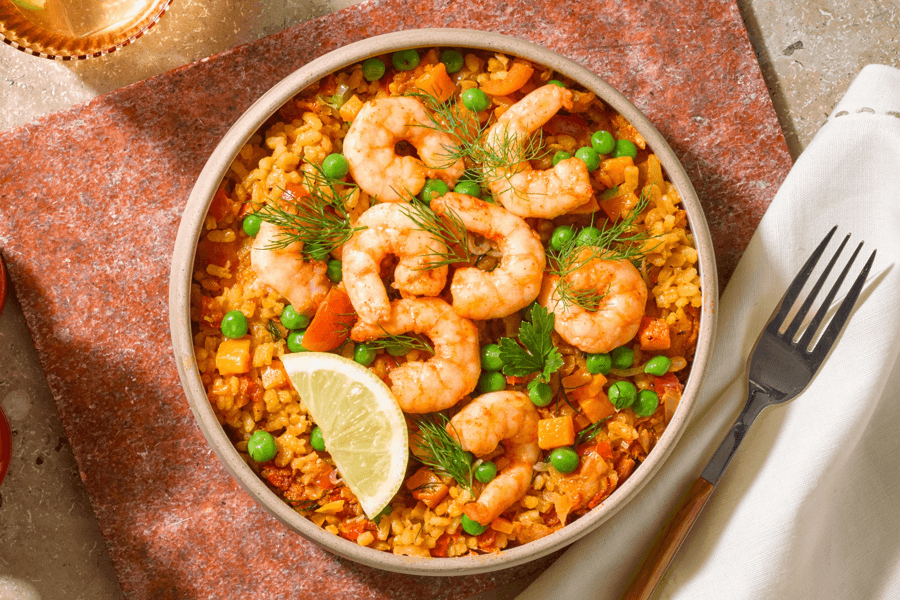
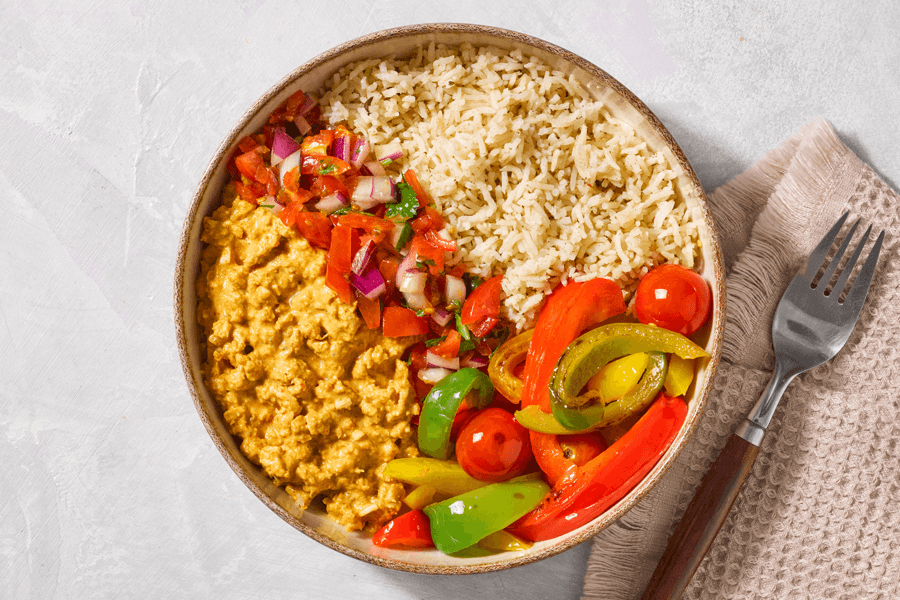
Frive's delicious Cajun King Prawns & Spanish-Style Rice.
The gut-brain connection: how does digestion affect afternoon brain fog?
Digestion is one of the most energy-intensive processes your body performs. When you eat a lunch loaded with ultra-processed ingredients, you force your system into a state of emergency digestion.
Avoid the energy diversion
Your body has a finite supply of blood and oxygen. After a heavy or ultra-processed meal, your system diverts significant blood flow toward the digestive tract to manage the load.
Resource shifting: As your gut works harder to break down complex additives, your brain receives fewer resources for high-level cognitive work.
Inflammatory signals: Gut inflammation from poor-quality ingredients triggers the vagus nerve to send lethargy signals to the brain. This mimics a sickness response, making you feel unmotivated.
Natural food efficiency
Natural foods digest differently because they contain natural enzymes and fibre that assist the process. Because these ingredients are familiar to your biology, they require far less emergency effort from your digestive system.
Choose a balanced, natural lunch, and digestion stays a quiet background process. Instead of a massive spike in glucose and digestive demand, your body processes the fuel steadily, leaving your brain active, oxygenated, and able to do the work that earns the afternoon.
Making high performance the path of least resistance
Success in the afternoon isn't about trying harder. It's about fixing your food environment. By 12:30pm, most people have already spent their mental budget, making the healthier choice feel like an insurmountable chore. To win back your time, make the high-performance choice the most convenient one.
Powering your afternoon with Frive
Frive is a productivity tool dressed as lunch. By removing the friction of planning and prep, you get elite-level nutrition without the mental overhead.
Fuel for focus: Every meal is macro-balanced to hit the 30g+ protein target, providing your body and brain what they need to stay motivated.
No UPFs: Zero refined sugars or industrial seed oils, so you avoid the inflammatory spikes that drive the afternoon crash. Most convenience options rely on these cheap fillers; Frive uses only natural ingredients to protect your gut health and your cognitive energy.
Total convenience: Chef-prepared, natural meals delivered to your door. No shopping, no chopping, no midday guesswork.
Swap willpower for a better routine
Afternoon fatigue is a predictable response to a broken food environment. When your workspace is flooded with quick-fix carbohydrates and ultra-processed snacks, your energy levels will fluctuate.
Reframing it as a routine problem takes the pressure off your willpower. You don't need to fix your cravings or push through the slump. Implement a routine that delivers the right fuel at the right time, and your midday meal becomes a tool for the afternoon you actually want, rather than the cause of the one you don't.
Stop fighting your biology and start fuelling your ambition. Explore Frive's natural menu and take control of your afternoon energy.
Frequently Asked Questions
Why do I feel tired after lunch?
Post-lunch tiredness is mostly a metabolic response, not sleep debt. A high-carb, low-protein lunch causes a sharp insulin spike that drops blood sugar below baseline, triggers serotonin production via tryptophan, and silences orexin/hypocretin neurons (your brain's wakefulness switch). The result is fatigue, brain fog, and irritability by 2 to 3pm.
What's the best lunch for energy?
A lunch built around quality protein (palm-sized), fibre-rich carbohydrates (fist-sized vegetables or whole grains) and healthy fats (thumb-sized avocado, olive oil or nuts). Aim for 30g+ of high-quality protein. This combination keeps blood sugar steady, supports dopamine and norepinephrine, and avoids the post-lunch crash.
How much protein should I eat at lunch?
Aim for 30g+ of high-quality protein at lunch. Sports nutrition research suggests around 0.4g per kg of bodyweight per meal, spread across three to four meals daily, optimises muscle protein synthesis and sustained energy. Most supermarket sandwiches contain less than half of this.
Why does a sandwich make me sleepy?
A typical white-bread sandwich is mostly refined carbohydrates with very little protein. The carb load drives an insulin spike that pulls blood sugar below baseline and increases tryptophan uptake into the brain, which converts to serotonin and melatonin. The biological message your brain receives is: it's time for a nap.
How long does post-lunch fatigue last?
If driven by a refined-carb lunch, the energy trough typically lasts 60 to 90 minutes after the initial spike, often peaking around 2:30pm. Adding 30g+ of protein, fibre and healthy fats to the meal flattens the curve substantially. Most people notice meaningful improvement within three to five days of changing their lunch composition.
Can I eat carbs at lunch and stay alert?
Yes, if they're the right carbs. Fibre-rich natural carbohydrates like quinoa, lentils, sweet potato or whole grains release glucose slowly and don't trigger the insulin overshoot. The key is to pair them with protein and healthy fats, which slow gastric emptying further. The carb-energy crash is specifically a refined-carb problem.
What should I eat instead of a meal deal?
Build something that hits the three-component framework: a palm of quality protein (chicken, salmon, eggs, tofu), a fist of fibre-rich vegetables or whole grains, and a thumb of healthy fat (avocado, olive oil, nuts). If preparing this every day isn't realistic, a natural meal delivery service like Frive removes the decision while still hitting the macros.