"But where do you get your protein?"
If you've followed a vegetarian lifestyle for any length of time, you've heard this question before. It often comes from genuine curiosity, but after the tenth time, it just feels tiring. The framing sounds like a challenge to your dietary choices; in fact, taking protein seriously is a massive win for your health, recovery and performance.
Hitting high protein targets without meat is completely achievable. Forget repetitive meals or stacks of supplements. This guide gives you a clear roadmap to calculate your requirements and hit them consistently. We'll break down protein quality, identify the most effective plant-based sources, and show you how to structure your eating to put that question to rest.
| How to hit your protein targets as a vegetarian: At a glance | |
|---|---|
| Forget the protein myths | Hitting your performance targets without meat is entirely achievable. You don't need to rely on repetitive meals or stacks of supplements to thrive. |
| Master your daily total | Aim for 1.6g to 2.2g of protein per kilogram of bodyweight. Because some plant proteins have lower absorption rates, targeting the upper end of this range ensures your muscles get the support they need. |
| Stop the per-meal puzzle | The outdated rule of combining specific proteins at every meal is unnecessary. As long as you consume a variety of natural plant sources throughout your day, your body efficiently maintains the amino acid supply it needs for repair. |
| Prioritise complete sources | Lean into high-quality plant proteins like edamame, tempeh and quinoa. These foods provide all nine essential amino acids naturally, giving you the triggers for muscle protein synthesis. |
| Treat protein as a lead | Move away from the side-dish mindset. By structuring your breakfast, lunch and dinner around a high-protein anchor, you hit your targets consistently without having to track every gram. |
| Solve the prep hurdle | Planning, shopping and prepping high-protein meals across a busy week is the biggest barrier. Frive's chef-prepared vegetarian meals make high-quality plant-based fuel your default. |
How much protein do you actually need?
Evidence-based research for active adults consistently points to a range of 1.6g to 2.2g of protein per kilogram of bodyweight daily. This range supports muscle maintenance and recovery. For a deeper look at the science behind these numbers, take a look at our full protein guide.
Why vegetarians should aim higher
This range applies to everyone, but those following a vegetarian diet may benefit from targeting the upper end. Certain plant-based proteins have a slightly lower bioavailability compared with animal sources, meaning your body might not absorb every gram quite as efficiently. Aiming for the higher threshold ensures your system receives the usable amino acids needed to support your activity level.
Calculate your daily target
Calculating your target is simpler than you might think. Take your bodyweight in kilograms and multiply it by your chosen ratio.
| Worked example |
|---|
| If you weigh 70kg and train regularly (1.8g target): 70kg × 1.8g/kg = 126g of protein per day |
Are plant proteins complete? Understanding protein quality
A common concern among vegetarians is protein quality. You've likely heard that animal proteins are complete while plant proteins are incomplete, but this distinction often causes unnecessary stress.
What makes a protein complete?
Protein consists of 20 amino acids, nine of which are essential. Your body cannot produce these on its own, so you need to get them from your diet. A protein is classified as complete if it provides all nine essential building blocks in the right proportions.
The plant-based powerhouses
Most people assume meat is the only source of complete protein, but several plant foods contain all nine essential amino acids naturally.
Edamame: These young soybeans provide a high-quality profile that works perfectly for muscle recovery.
Tempeh: Fermented soybeans offer a robust texture and a complete amino acid profile, making them a staple for active vegetarians.
Quinoa: This ancient grain acts as a versatile base that delivers all essential amino acids in every serving.
Moving past the "combine at every meal" myth
For years, nutrition advice insisted you had to pair specific plant foods (rice and beans, for example) at every single meal to form a complete protein. The idea stems from outdated research and has since been debunked by modern nutritional science.
Your body has a sophisticated way of managing amino acids. It maintains a steady supply of these building blocks for use, meaning you don't need to consume every essential amino acid in one sitting for your body to repair muscle effectively.
Focusing on variety over the course of a whole day is far more important than precise per-meal combining. As long as you eat a wide array of natural plant sources (legumes, grains, seeds, vegetables) across breakfast, lunch and dinner, your body should have everything it needs to thrive.
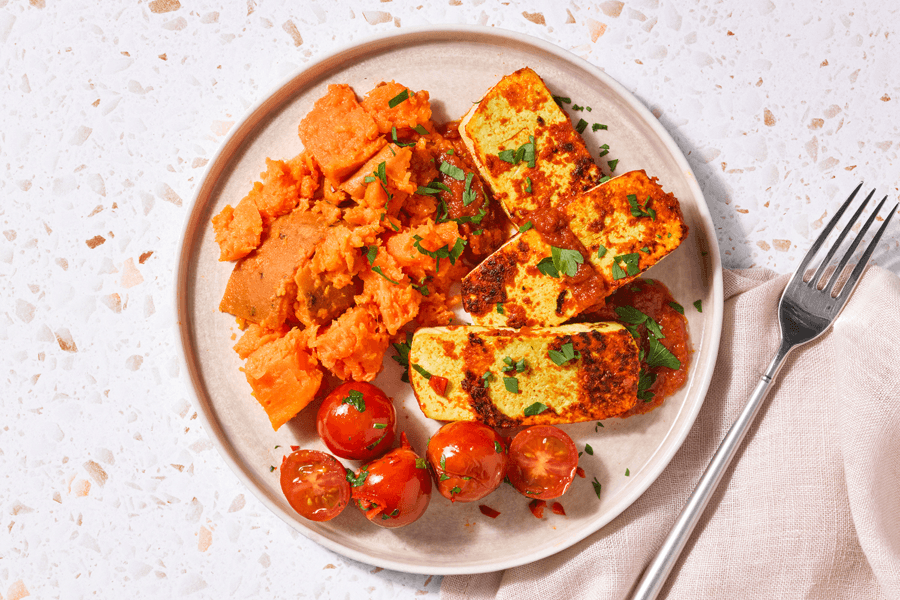
Try Frive's Smokey Baharat Mango Tofu.
The best high-protein vegetarian foods for your goals
To stay on top of your daily intake, build your meals around a few reliable, high-protein plant sources. Using a mix of these natural ingredients lets you assemble complete, satisfying meals that provide both the building blocks for muscle growth and the vitamins needed to keep your energy levels consistent.
Some experts use the Digestible Indispensable Amino Acid Score (DIAAS) to measure protein absorption. Don't let these scores distract you; they simply highlight that plant proteins are often locked inside fibre structures.
A varied plant-rich diet easily compensates for these differences. By eating a wide range of the sources below, you naturally offset slight variances in absorption, ensuring your body receives a comprehensive supply of building blocks.
| Source category | Protein sources | Protein (approx. per 100g) | Key benefit |
|---|---|---|---|
| Complete / near-complete | Edamame, tempeh, quinoa, eggs, dairy | 8g – 20g | Contains all 9 essential amino acids naturally |
| High-volume legumes | Lentils, chickpeas, black beans, tofu | 8g – 19g | High in fibre and great for satiety |
| Nutrient-dense extras | Greek yoghurt, cottage cheese, hemp seeds | 10g – 30g | Easy additions to boost per-meal totals |
| Protein concentrates | Seitan, nutritional yeast | 25g – 45g | Exceptional protein density per gram |
How to structure a high-protein vegetarian meal plan
Reaching a 120g+ target becomes much simpler when you move away from the side-dish mindset and treat protein as the main component of every plate. Here's how to structure your day for maximum impact.
Breakfast: Start with a lead
Most people default to low-protein breakfasts like toast or cereal. Instead, prioritise a high-protein anchor to set the tone for the rest of the day.
Greek yoghurt parfait: Thick, plain Greek yoghurt topped with hemp seeds and berries for a 20g–25g protein start.
Tempeh hash: Sauté crumbled tempeh with diced potatoes and spinach for a savoury, complete-protein breakfast.
High-protein oats: Stir a scoop of cottage cheese, or a large serving of soy milk and chia seeds, into your morning porridge.
Lunch: The 35g+ target
Lunch is often the most challenging meal due to convenience. The trick is to combine a high-volume base with a protein multiplier.
Combine a legume base (lentils or chickpeas) with a high-protein add-in (tofu, feta, or pumpkin seeds) and a base of leafy greens or quinoa.
A large bowl of lentil salad mixed with cubed tofu, sunflower seeds, and a tahini dressing hits the 35g protein mark.
Dinner: Building a complete plate
Dinner provides the perfect opportunity to combine different plant sources to ensure a wide amino acid profile.
Choose one high-protein legume (like black beans), one complete-protein grain (like quinoa), and a hearty vegetable base (like broccoli or brussels sprouts).
Top your meal with nutritional yeast or toasted almonds to add extra protein density without significantly increasing volume.
Snacks: The underrated opportunity
Don't ignore the gaps between meals. Small, targeted snacks stop you feeling forced to eat massive portions at dinner.
Cottage cheese: Excellent on its own with fruit, or spread on whole-grain crackers.
Edamame: Keep a bag in the freezer. A quick steam provides a perfect, complete-protein snack.
Hard-boiled eggs: If you eat eggs, these remain one of the most efficient, portable protein sources available.
Example: A 120g+ protein day
Here's how the four meals above stack up across a single day to comfortably clear 120g of protein from natural sources alone.
| Meal | Protein source | Approx. protein |
|---|---|---|
| Breakfast | Greek yoghurt bowl with hemp seeds and crushed almonds | 25g |
| Lunch | Quinoa and lentil salad topped with cubed tempeh and tahini | 35g |
| Snack | Two hard-boiled eggs with a sprinkle of sea salt | 15g |
| Dinner | Tofu and black bean stir-fry topped with nutritional yeast | 45g |
| Total | 120g+ | |
Quick tips for reaching your target
The volume factor: To reach 45g of protein at dinner using only plants, the sheer volume of food can be significant. You might find it easier to hit your goal without feeling overly full by choosing more protein-dense bases like seitan or extra-firm high-protein tofu.
Consistency is key: Your total hits 120g by using all four meal slots. Miss the afternoon snack and you drop to 105g. Keeping all four slots filled is the most reliable way to maintain daily intake without forcing massive, uncomfortable portions at any single sitting.
Do vegetarians need protein supplements?
The honest answer is that supplements are only necessary if your natural intake consistently falls short of your daily goals. Powders and bars offer a convenient shortcut, but they should remain a tool for when your schedule gets overwhelming, not a replacement for actual meals.
Why natural sources take priority
Prioritising natural sources provide benefits that a scoop of processed powder can't replicate. Natural sources deliver a complete package: essential fibre for gut health, vital micronutrients, and a level of satiety that liquid calories fail to match. When you consume protein via eggs, tempeh, or Greek yoghurt, you're fuelling your body with a complex nutritional matrix that supports metabolic health long after the meal ends.
When supplementation makes sense
There are scenarios where an extra boost is genuinely useful: very high training volume, an exceptionally demanding work week, or when you struggle to reach your target through food alone. If you do supplement, look for products with a complete amino acid profile, minimal additives, and no artificial sweeteners.
Ultimately, the goal is to build a foundation that makes reliance on these products unnecessary. Frive's vegetarian menu is designed with nutritionists to ensure you hit your nutritional targets through natural sources, removing the need for artificial fillers or post-workout shakes. By automating your nutrition with complete, chef-prepared meals, you can meet your requirements naturally and focus on training instead of tracking every gram.
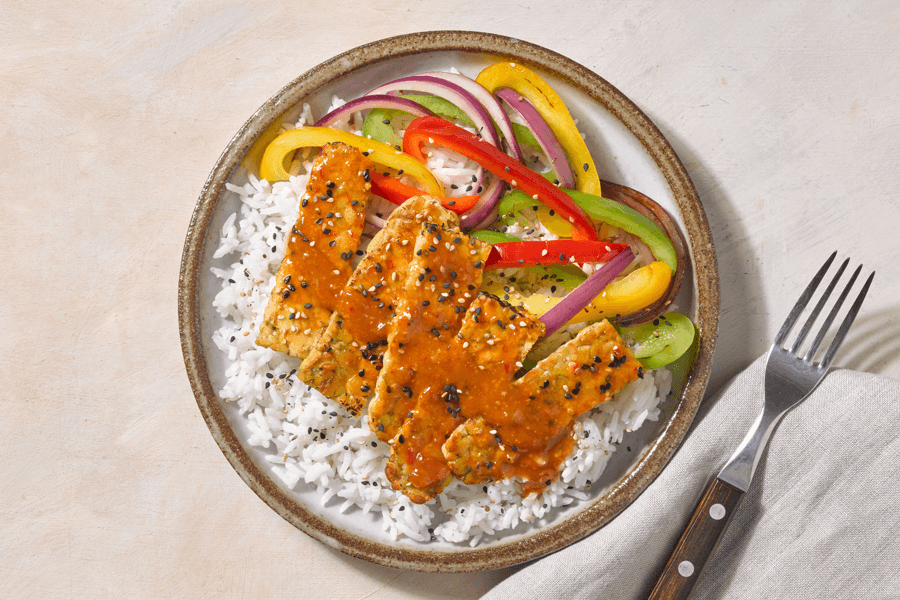
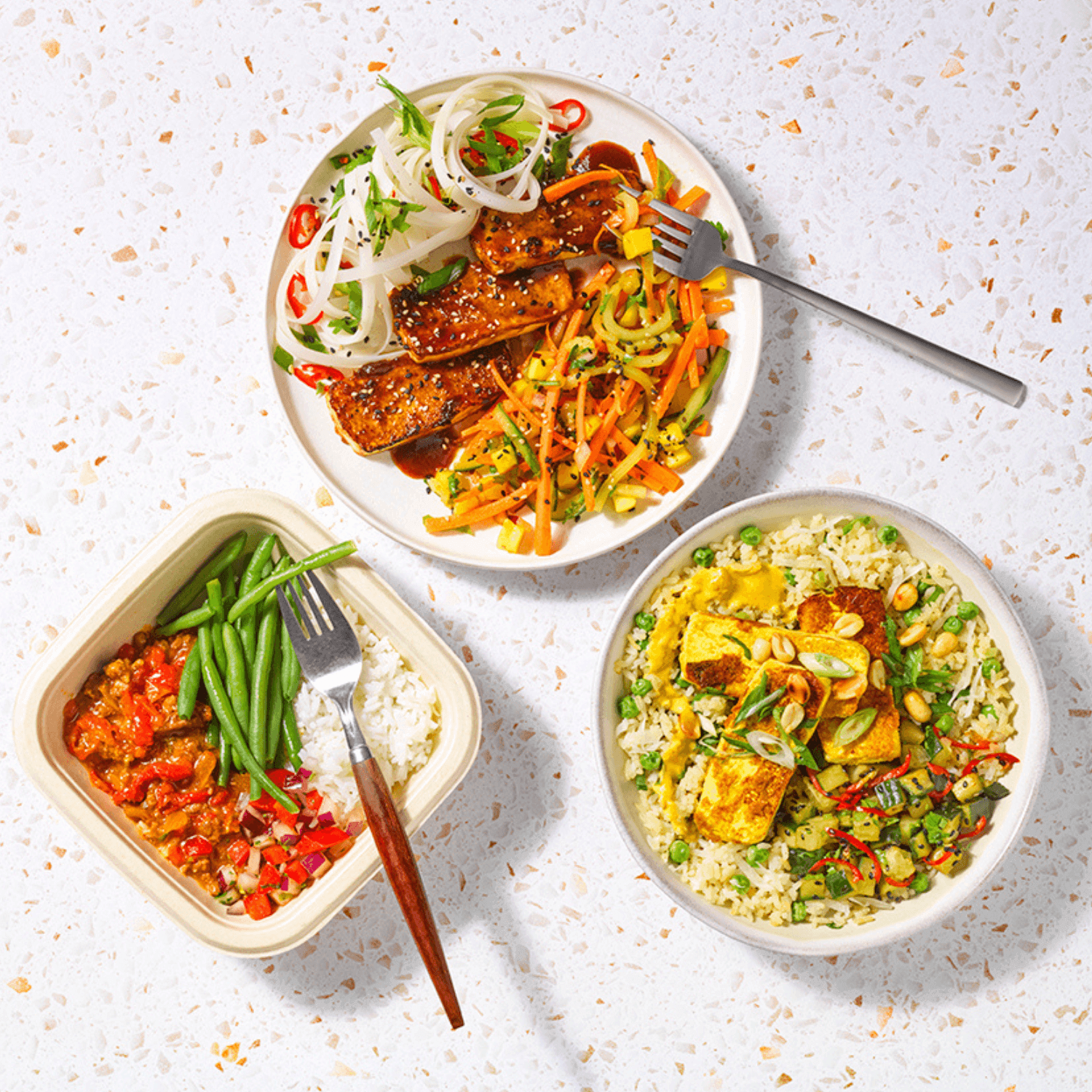
Frive's Sweet Chilli Tempeh With Jasmine Rice.
Making consistent plant-based protein easy
You now have the knowledge to structure your protein intake effectively. The real challenge is the logistics: planning, shopping and cooking high-protein vegetarian meals throughout a demanding work week.
When your schedule fills with meetings and deadlines, meal preparation is usually the first thing to slip. Forced to choose between convenience and your nutrition goals, you'll almost always sacrifice protein for the sake of time.
Automate your protein with Frive
Frive removes the friction by making high-quality, natural nutrition the default rather than a daily chore. Our vegetarian menu is built specifically for those who demand performance and taste without the effort of constant planning.
Nutritionist-designed completeness: Every meal is designed to meet high protein targets using 100% natural plant sources. No soy isolates, no ultra-processed meat alternatives. Just clean, nutrient-dense fuel.
Variety without fatigue: With over 100 restaurant-quality meals available monthly, you never have to settle for the same repetitive dish.
Elite convenience: Each chef-crafted meal is ready in minutes, saving you up to seven hours a week on shopping, prep and cleaning.
Macro-balanced fuel: Every portion is carefully macro-balanced, ensuring you hit your protein goals while maintaining steady energy throughout the day.
The days of worrying about your protein intake are officially behind you. When you stop tracking every gram and start trusting a system built around natural quality, your nutrition becomes an effortless advantage rather than a daily chore.
Explore Frive's vegetarian menu to understand how we can help you hit your protein targets.
Frequently Asked Questions
Can vegetarians get enough protein without meat?
Yes, comfortably. Active adults can hit the 1.6g to 2.2g per kilogram of bodyweight target through natural plant and dairy sources alone. Meals built around complete plant proteins (edamame, tempeh, quinoa) plus dairy and eggs (if eaten) easily clear 120g+ of protein per day without supplements.
What are the best vegetarian protein sources?
The strongest natural vegetarian protein sources are edamame, tempeh and quinoa (complete plant proteins), plus Greek yoghurt, cottage cheese, eggs, lentils, chickpeas, black beans and tofu. Seitan and nutritional yeast are the most protein-dense options when you need high concentration in a small volume.
Do vegetarians need to combine proteins at every meal?
No. The old "combine at every meal" rule is outdated. Modern nutrition science shows your body maintains a steady amino acid pool from variety eaten across the day. As long as you consume a range of natural plant sources across breakfast, lunch and dinner, you don't need to pair specific foods within each meal.
Are plant proteins complete?
Some are, most aren't. Edamame, tempeh, quinoa and soy products contain all nine essential amino acids in useful proportions. Most other plant proteins (beans, grains, seeds individually) are incomplete on their own but combine effectively across a varied day to deliver a full amino acid profile.
How much protein does a vegetarian need per day?
Active adults should target 1.6g to 2.2g of protein per kilogram of bodyweight, with vegetarians aiming toward the upper end of the range to compensate for the slightly lower bioavailability of some plant sources. A 70kg vegetarian training regularly should aim for roughly 126g to 154g per day.
Do vegetarians need protein supplements?
Most don't. Natural vegetarian sources can comfortably hit 120g+ per day without powders or bars. Supplementation makes sense only when training volume is very high, schedules make natural intake genuinely difficult, or you're consistently falling short despite a varied diet.
Is it harder to build muscle on a vegetarian diet?
Slightly, but not meaningfully so for most people. The lower average bioavailability of plant proteins is more than compensated for by aiming toward the upper end of the recommended range and prioritising leucine-rich complete sources like tempeh, soy and dairy. Muscle gain rates on a well-structured vegetarian diet match those of omnivores at matched protein intakes.