Walk into any gym or open a health app, and the advice on protein shifts dramatically. One source suggests 0.8g per kilogram of bodyweight; another insists you need 2g per kilogram, or a full gram per pound, to see progress. The conflicting numbers leave even committed gym-goers second-guessing themselves.
The confusion is understandable, but it's not bad science. Different sources use different reference points, ranging from the bare minimum needed to stay healthy to the higher amounts required for building serious muscle.
This guide gives you evidence-based clarity, a clear natural approach to your daily intake, and a straightforward calculation to determine your personal target. By the end, you'll know exactly how much protein you need and how to hit that figure consistently through the food on your plate.
| How much protein do you need? At a glance | |
|---|---|
| Ditch the RDA | The government 0.8g/kg figure is a baseline for survival, not a benchmark for active individuals. Aim for 1.6g to 2.2g per kg of bodyweight to support muscle maintenance and recovery. |
| Leucine is your trigger | This essential amino acid is the ignition switch for muscle protein synthesis. Prioritise high-leucine sources like lean meat, dairy and eggs. |
| Bioavailability matters | Not all protein is created equal. Natural sources like chicken, salmon and tempeh typically offer superior amino-acid absorption compared with highly processed powders. |
| Prioritise distribution | Forget the 30-minute anabolic window. Focus on consistency by hitting 30g to 40g of protein across three or four meals throughout your day. |
| Avoid the breakfast and lunch shortfall | Most people struggle to hit their totals because they front-load carbohydrates and neglect protein early in the day. Audit your morning and midday meals. |
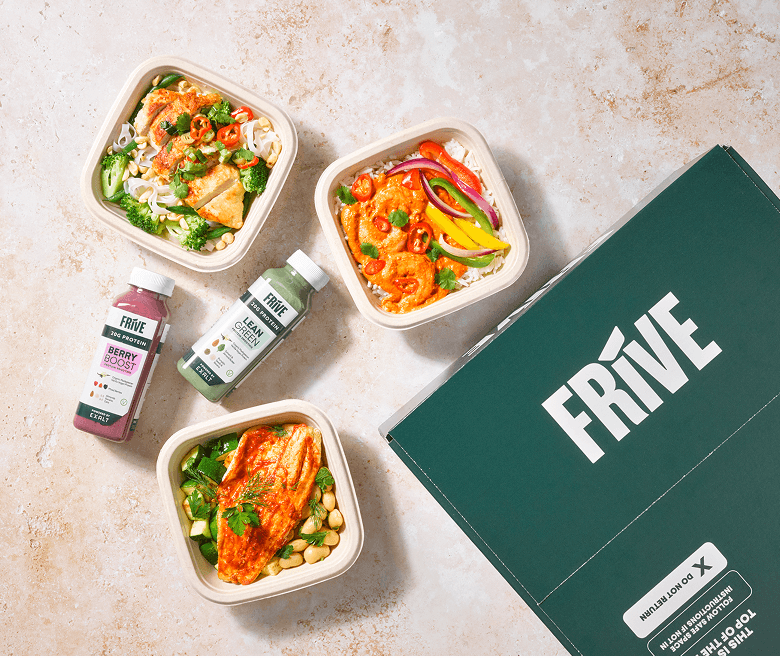
| Eliminate the guesswork | Relying on willpower to cook after a long day is a common point of failure. Frive's chef-prepared, natural meals take the friction out of nutrition and guarantee you hit your targets. |
Why do you need protein? Benefits for health and performance
Protein is the foundational building block for your body's core functions. Many associate it primarily with muscle size, but its reach extends into every system you rely on to perform.
Muscle repair: Exercise damages muscle fibres. Protein provides the essential amino acids needed to mend these fibres, helping them grow back stronger and more resilient.
Satiety: Protein is the most filling macronutrient. It suppresses hunger hormones like ghrelin and signals fullness to your brain, making it easier to manage your calorie intake naturally.
Metabolic health: Your enzymes, blood sugar regulators and immune system antibodies are all built from the protein you consume.
Even if you eat meat or eggs regularly, many adults still fall short of the levels required for optimal body composition and metabolic health. You might hit the survival baseline, but reaching the levels needed for high performance requires a more intentional approach to your daily meal structure.
How much protein do you actually need? Going beyond the RDA
You've likely seen the Recommended Dietary Allowance (RDA) of 0.8g of protein per kilogram of bodyweight. This figure appears in official government health guidelines, but it serves a specific, narrow purpose: preventing deficiency in sedentary populations. It's a baseline, not an ideal for performance.
Beyond the baseline
If you lead an active lifestyle, the RDA doesn't account for the metabolic demands of exercise. Training puts your body in a state of constant repair, meaning you require more than the minimum to maintain health.
Current sports nutrition research points to a much higher range for those who train regularly. Here's what the science says for active adults.
Optimal range: Aiming for 1.6g to 2.2g per kilogram of bodyweight per day is the current consensus for muscle maintenance and growth.
The benefit of the upper range: When you're in a calorie deficit to lose body fat, your body is more prone to breaking down muscle tissue for energy. Consuming protein at the higher end of the 1.6 to 2.2g range acts as an insurance policy, helping you preserve hard-earned muscle while fat loss happens.
How to calculate your daily protein intake
Your target depends on your goals and how much stress you place on your body through movement. Use the table below to identify the ratio that fits your current lifestyle.
| Activity level/goal | Recommended daily protein (per kg of bodyweight) |
|---|---|
| Sedentary adults | 0.8g – 1.2g |
| Recreationally active (3x weekly) | 1.4g – 1.6g |
| Regular strength training | 1.6g – 2.0g |
| Endurance athletes | 1.4g – 1.7g |
| Adults over 50 | 1.2g – 2.4g |
Why your age changes the math
You'll notice the recommendation for adults over 50 is higher. This is due to something called anabolic resistance. As you age, your muscles become less sensitive to the signals that trigger growth and repair, meaning you need a larger dose of protein to achieve the same muscle-building result as a younger athlete.
Calculate your daily target
You don't need software to track your requirements. Take your bodyweight in kilograms and multiply it by your chosen ratio from the table above.
| Worked example |
|---|
| If you weigh 80kg and train regularly (1.8g target): 80kg × 1.8g/kg = 144g of protein per day |
What are the best high-quality protein sources?
Reaching a total daily gram amount is a start, but the type of protein you consume dictates how effectively your body uses it. Protein quality depends on its amino acid profile and how easily your system can break it down and absorb it.
Prioritise complete proteins
Your body requires nine essential amino acids, the building blocks of tissue, which you have to get from your diet. Proteins described as complete contain all nine in the right proportions.
Animal-based sources: Foods like chicken, eggs, beef and dairy provide these amino acids naturally and in high concentrations.
Plant-based sources: Many plants are incomplete on their own. You can pair them (like beans and rice) or choose complete plant options like soy and quinoa to hit your requirements.
The advantage: Animal proteins typically deliver a denser concentration of the specific building blocks your body and muscles need for rapid recovery.
Trigger growth with leucine
Among the essential amino acids, leucine acts as the primary trigger for muscle protein synthesis. Think of it as the ignition switch for your muscle-building machinery. Natural sources like lean beef, salmon and Greek yoghurt are naturally rich in leucine, providing the high-octane signal your body needs to start repairing tissue after a workout.
Understanding bioavailability
Not every gram of protein you eat makes it into your bloodstream. The Digestible Indispensable Amino Acid Score (DIAAS) measures how well your body actually digests and uses a specific source.
Some plant-based proteins are trapped inside fibre or tough cell structures the body struggles to break down, resulting in lower absorption rates. A high DIAAS score means a protein source is highly efficient and provides more usable amino acids per serving.
Choose natural over isolates
Natural protein sources frequently outperform refined powders when bioavailability is factored in. Protein supplements are convenient, but they're highly processed, often stripping away the vitamins and minerals that help your body process amino acids. Natural sources provide the complete nutritional matrix your body expects, ensuring you get more usable protein per gram and better overall metabolic support.
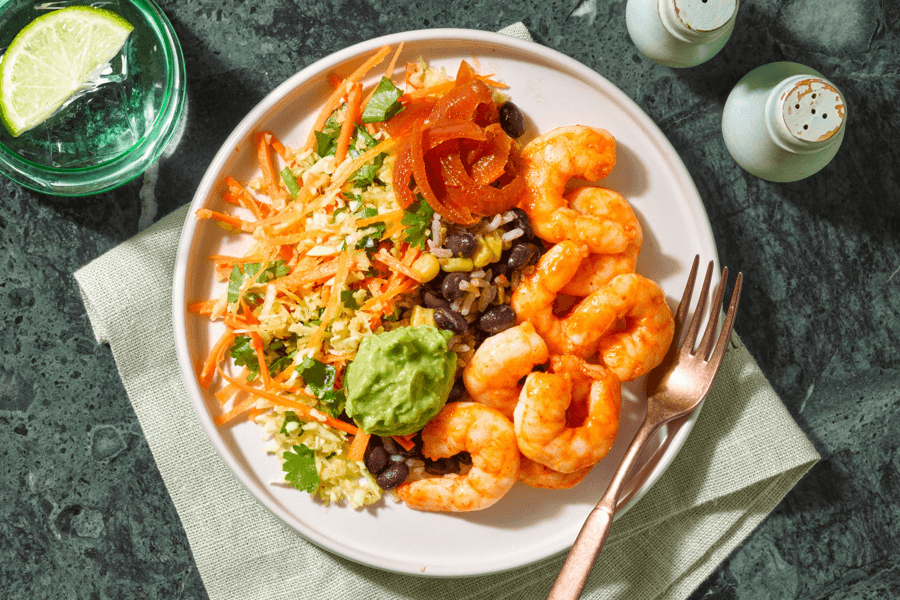
Try Frive's Smoky Chipotle Prawns With Black Bean Rice.
The best natural protein sources for muscle and recovery
To hit your daily target, you need a diverse range of protein sources. Prioritising natural sources means you get not only the amino acids required for muscle repair but also the micronutrients that support overall health.
Animal-based sources
| Source | Protein (approx. per 100g) | Key benefit |
|---|---|---|
| Chicken breast | 30g | Lean, high-volume protein |
| Red meat | 25–28g | Rich in iron, zinc and B12 |
| Salmon | 22–25g | Dual-action protein and omega-3s |
| Eggs | 6g (per large egg) | Excellent, highly bioavailable profile |
| Greek yoghurt | 10g | Supports gut health with probiotics |
| Cottage cheese | 11g | Slow-digesting casein for sustained release |
Plant-based sources
| Source | Protein (approx. per 100g) | Key benefit |
|---|---|---|
| Tempeh | 19g | Fermented soy for gut health and texture |
| Edamame | 11g | Complete plant protein with high fibre |
| Tofu | 8–15g | Versatile and highly digestible |
| Lentils | 9g | Nutrient-dense, complex carbohydrates |
| Chickpeas | 7–8g | Adds texture and lasting satiety |
| Quinoa | 4–5g | Rare complete plant protein |
Why sourcing standards matter
Protein quality begins at the farm. Frive prioritises whole cuts of meat over processed alternatives to ensure you receive a complete amino acid profile. By selecting grass-fed and British-farm-sourced proteins, every meal delivers high bioavailability. Your body processes the protein efficiently, offering far greater nutritional value than low-quality industrial sources.
For those following a plant-based diet, see our dedicated guide to vegetarian protein for sources, combinations and per-meal targets.
How should you distribute protein throughout the day?
Many gym-goers obsess over a 30-minute post-workout anabolic window, but current research indicates this is largely a myth for the average person. Total daily protein intake remains the most important factor in driving muscle repair. If you hit your total gram requirement by the end of the day, your muscles will recover effectively whether you eat immediately after training or several hours later.
If you want strategies to support tissue repair after exercise, our guide on what to eat after a workout for the best recovery and results walks through the practicalities.
Prioritise protein spacing
Total intake matters most, but distributing that protein throughout the day changes how your body uses it. Muscle protein synthesis works best when you provide your system with a consistent supply of amino acids, keeping the ignition switch for muscle growth turned on.
Adopt the 30 to 40g rule
Maximise muscle protein synthesis by spreading your intake evenly rather than front-loading or back-loading your meals.
The ideal dose: Aim for 30g to 40g of high-quality protein per sitting.
The frequency: Spread that amount across 3 to 4 meals throughout the day.
The benefit: Consistent intake prevents your body oscillating between starvation and overload, ensuring a steady stream of amino acids for tissue repair.
Most people find it easy to hit a high protein count at dinner but struggle to meet their targets at breakfast and lunch. Convenience usually dictates these meals: cereal, toast, or simple sandwiches that lack significant protein.
Treat your first two meals with the same nutritional importance as your final one. Audit your morning and midday options. Swapping a carb-heavy default for a protein-rich natural meal stops you playing catch-up by dinner.
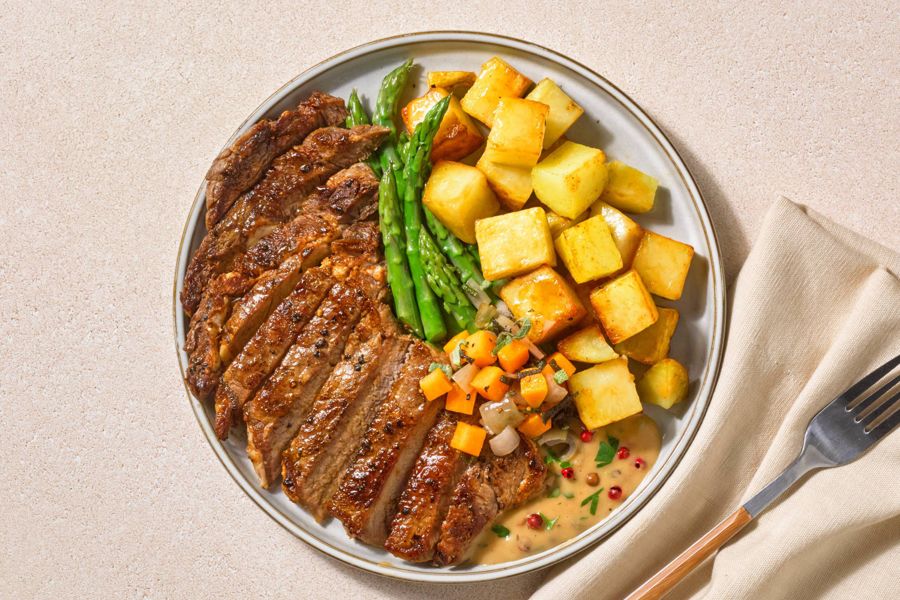
Frive's Grilled Rib-Eye Steak.
How to hit your protein goals consistently
Knowing your target is half the battle. Execution is the other half. Most people find protein intake plummets during busy weekdays because the pressure of meetings and deadlines leaves zero bandwidth for meal prep or careful macro planning.
When you rely on convenience-store snacks or low-quality takeaways, you almost always end up with a high-carb, low-protein meal that leaves you short of your daily goal. Relying on willpower to cook from scratch after a long day is a strategy that fails more often than it succeeds.
Success depends on removing the friction of daily food decisions. Automate your nutrition and high-quality, natural protein becomes your default, regardless of how busy your schedule gets.
Secure your protein intake with Frive
Frive delivers high-quality nutrition designed to make healthy eating the easiest part of your day. Every meal is crafted by chefs to provide 35g to 40g+ of high-quality protein, eliminating the guesswork from your daily targets. With over 40 fresh meal options every week, you never have to settle for a boring or unbalanced diet.
High-quality protein: Whole cuts of meat and premium plant sources for maximum bioavailability.
Zero ultra-processed ingredients: Every dish starts with 100% natural ingredients. No refined sugars, industrial seed oils or artificial fillers.
Performance-focused macros: Each meal balances high-quality protein with whole-grain carbohydrates and healthy fats like olive and avocado oil for steady, lasting energy.
Built for your lifestyle: Chef-prepared meals heat in under five minutes. No shopping, no chopping, no post-meal cleanup.
Protein is the one macronutrient where intentional, consistent action pays off significantly in body composition and overall health. The math doesn't have to be a burden, and your daily targets shouldn't depend on how much willpower you have left at 8pm.
Stop relying on willpower to manage your goals and start using a system built to support them. Browse the Frive high-protein menu and fuel your body with the natural protein it needs to grow and recover.
Frequently Asked Questions
How much protein do I need per day in the UK?
The official UK RDA is 0.8g per kilogram of bodyweight, but that figure is a deficiency floor, not an optimal target for active adults. Most current sports nutrition research recommends 1.6g to 2.2g per kilogram for active adults, and adults over 50 should aim toward the higher end due to anabolic resistance.
How do I calculate my daily protein intake?
Take your bodyweight in kilograms and multiply it by the ratio that fits your activity level. For example: a 70kg recreationally active adult aiming for 1.6g/kg would need 70 × 1.6 = 112g of protein per day. For regular strength training, multiply by 1.6 to 2.0g.
Is the RDA of 0.8g/kg enough?
Only if you're sedentary and aiming to avoid deficiency. The 0.8g/kg figure was set decades ago to prevent malnutrition in inactive adults, not to support muscle maintenance, athletic performance, or healthy ageing. Active adults consistently benefit from intakes 2 to 3 times higher.
What are the best natural protein sources?
For animal sources: chicken breast, red meat, salmon, eggs, Greek yoghurt and cottage cheese. For plant sources: tempeh, edamame, tofu, lentils, chickpeas and quinoa. Natural sources usually deliver more usable amino acids per gram than processed protein powders once bioavailability is factored in.
Do I need a protein shake to hit my target?
Most people don't. Natural protein sources are generally preferable because they deliver the full nutritional matrix (vitamins, minerals, fibre) alongside the amino acids. Supplements have a role for very high training volumes or when natural sources can't meet targets, but they shouldn't be the primary source.
Does protein timing matter?
Total daily protein intake matters far more than precise timing. The 30-minute post-workout anabolic window is largely a myth for the average person. What does help is spreading intake across 3 to 4 meals at 30g to 40g each, rather than front-loading or back-loading your day.
How much protein is too much?
For healthy adults with normal kidney function, intakes up to 3.0g per kilogram of bodyweight are considered safe in the short term. Most people will see diminishing returns above 2.2g/kg, and the practical limit is usually how much natural protein you can comfortably eat across the day.