Most people who start eating less meat don't do it from a position of nutritional ignorance. They know roughly what they're doing, they've done some reading, and they've made a considered choice. What they run into, a few weeks in, isn't confusion; it's a quiet background doubt. A nagging "but am I actually getting everything I need?" that surfaces when someone mentions iron at dinner, or when a headline about B12 catches their eye.
That doubt is worth addressing directly, because the honest answer is: the nutrients that require closer attention when reducing meat are specific and manageable. There are five of them. Understanding what they are, why they matter, and how to get enough of them reliably doesn't require overhauling everything you eat. It requires targeted knowledge and a few practical habits. That's what this guide provides.
What's Actually in Meat That You Need to Replace?
Not all meat is nutritionally equivalent, so it's worth being precise about what you're actually working around as you reduce it.
Protein is the most obvious concern and, in practice, the least difficult to address. Meat provides complete protein (all nine essential amino acids in adequate ratios), but so do a number of plant and reduced-animal-product combinations. The challenge isn't the existence of plant protein; it's making sure you're getting enough of it per meal, with the right amino acid profile.
Haem iron is where meat, particularly red meat, is genuinely difficult to replicate directly. Iron exists in two dietary forms: haem (found in animal flesh) and non-haem (found in plant foods, eggs, and dairy). The difference in bioavailability is significant: haem iron is absorbed at approximately 15–35%, while non-haem iron typically falls between 2–20%, depending heavily on what it's eaten alongside. That gap can be narrowed considerably with the right food pairings, which are straightforward once you know them.
Zinc follows a similar pattern. Red meat is one of the richest and most bioavailable dietary sources of zinc; plant foods do contain it, but absorption is lower because phytates in legumes and whole grains bind zinc and reduce uptake. For most flexitarians eating varied natural, zinc levels remain adequate, but it is useful to know that plant-based zinc works harder for the same physiological result.
Vitamin B12 is the nutrient that requires the most deliberate attention. It is found almost exclusively in animal products (meat, fish, dairy, eggs) and there are no reliable unfortified plant sources. Research consistently shows that those reducing animal food intake face elevated risk of deficiency over time. For flexitarians who still eat dairy, eggs, and occasional meat or fish, this is less of an acute concern, but it becomes worth actively monitoring if intake drops below around three animal-product servings per day.
Long-chain omega-3 fatty acids, specifically EPA and DHA, are found in meaningful quantities in oily fish. Plant foods provide a different form: ALA (alpha-linolenic acid), found in flaxseed, chia seeds, and walnuts. The problem is that the body's conversion of ALA into EPA and DHA is limited: studies put conversion rates at around 5–12% for EPA and under 1% for DHA. Keeping oily fish in the diet, even occasionally, largely resolves this.
Quick reference: the 5 nutrients to watch
| Nutrient | Why it Requires Attention | Best Flexitarian Sources | Key Watch Point |
|---|---|---|---|
| Protein | Meat provides complete amino acid profiles | Tempeh, edamame, quinoa, eggs, Greek yogurt | Aim for 30-35g per meal, spread across the day |
| Haem iron | Plant iron (non-haem) absorbs less readily | Lentils, chickpeas, tofu, spinach, pumpkin seeds | Always pair with vitamin C to boost absorption |
| Zinc | Phytates in plants reduce zinc uptake | Pumpkin seeds, legumes, dairy, eggs, wholegrains | Variety across the week keeps levels adequate |
| Vitamin B12 | Found almost exclusively in animal foods | Eggs, dairy, oily fish; fortified plant milks | Monitor if fewer than 3 animal-product servings daily |
| Omega-3 (EPA/DHA) | Plant ALA converts inefficiently to EPA/DHA | Oily fish 1-2x per week; algae-based supplements | Retain oily fish in the diet or supplement if reducing |
The Strategic Flexitarian Approach
The order in which you reduce different animal foods matters nutritionally, and most guides skip over this.
Red meat, particularly processed red meat, is the most straightforward to reduce first. The nutrients it provides (iron, zinc, B12, protein) can all be compensated for through other sources with the right planning, and evidence from large meta-analyses consistently links high intake of processed red meat with increased cardiovascular risk. Reducing it is almost universally beneficial. Unprocessed red meat is nutritionally denser and can remain in the diet at a lower frequency without concern.
Poultry occupies a middle position. It contributes meaningfully to protein and B12 intake, with a lower environmental footprint than red meat. Reducing it more gradually than red meat is a sensible approach for most people, and plant-based protein swaps make the transition considerably more manageable.
Oily fish (salmon, mackerel, sardines, trout) is the most nutritionally valuable animal foods to retain as a flexitarian, primarily because of its EPA and DHA content. Two servings per week provides meaningful omega-3 coverage. Eggs and dairy are equally worth keeping in regular rotation: they contribute complete protein, B12, zinc, and, in the case of dairy, calcium, with a relatively modest environmental cost compared to red meat.
The practical framework is a mostly-plants structure: aim for five to six predominantly plant-based meals per week as a starting point, keeping oily fish, eggs, and dairy as reliable nutritional bridges. This isn't a rigid prescription; it's a workable template that suits the vast majority of people transitioning away from a high-meat diet.
Getting Enough Protein as a Flexitarian
The protein target doesn't change when you reduce meat. For active adults, the evidence-backed range sits at 1.6–2.2g of protein per kilogram of bodyweight per day, with those training regularly sitting towards the higher end. A 75kg person needs roughly 120–165g daily, entirely achievable from a flexitarian diet, but it does require some intentionality.
Complete plant protein sources (those providing all essential amino acids in useful amounts) include tempeh, edamame, quinoa, and whole soy products. These are higher-quality sources than many people realise, with amino acid profiles that compare favourably to many animal proteins. Beyond these, the principle of complementary proteins is widely misunderstood: the body doesn't require perfect amino acid balance at every meal. It requires all essential amino acids to be available throughout the day. Rotating varied plant protein sources (lentils at lunch, tofu at dinner, Greek yogurt at breakfast) covers the full spectrum naturally, without any need for precise meal-by-meal calculation.
Eggs are among the most protein-complete foods available, providing around 6g per egg alongside highly bioavailable leucine. Dairy, particularly Greek yoghurt, cottage cheese, and milk, offers excellent protein that supports muscle protein synthesis efficiently. For flexitarians who include these regularly, hitting daily protein targets becomes considerably more straightforward.
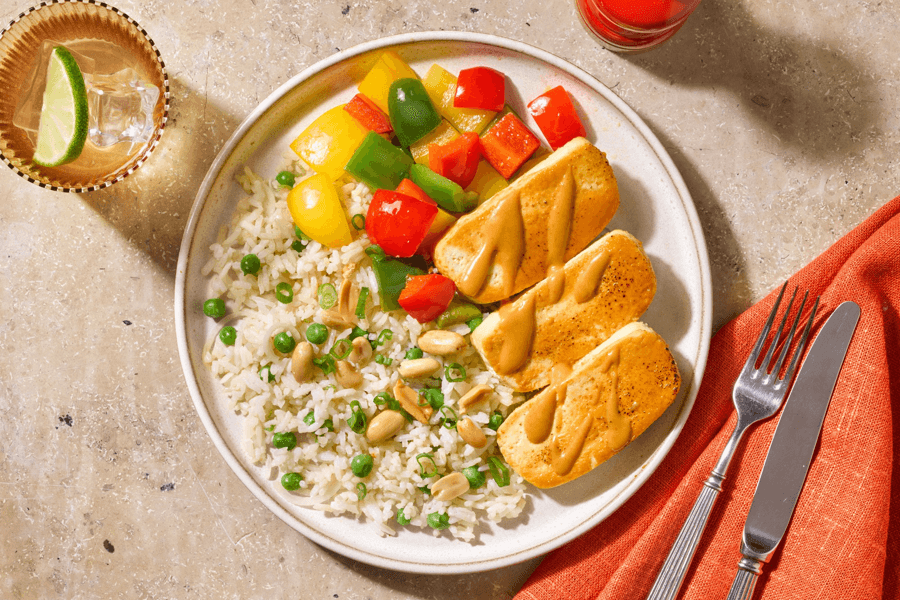
A practical per-meal target of 30–35g of protein, distributed across three meals, gets most people to their daily requirement. At a typical meal, this is a 200g portion of firm tofu with edamame and quinoa, or two eggs alongside a substantial legume-based dish.
The Iron Challenge: How to Solve It
The lower bioavailability of plant iron sounds like a significant obstacle until you understand how to work with it, and at that point, it becomes very manageable.
The headline figures again: haem iron is absorbed at 15–35%, non-haem iron at 2–20%. The gap is real, but it is highly variable, and the upper end of that non-haem range is achievable with the right dietary combinations.
The single most effective lever is vitamin C. Studies published in peer-reviewed nutrition journals have demonstrated that consuming vitamin C alongside non-haem iron sources significantly enhances absorption; in controlled settings, by a factor of two to four. This requires no supplementation: a glass of orange juice alongside lentil soup, roasted red pepper in a bean stew, or cherry tomatoes in a spinach-based dish all produce the same effect. Making this pairing a default habit across iron-rich plant meals is one of the highest-leverage nutritional adjustments a flexitarian can make.
The inhibitors are equally worth understanding. Tannins in tea and coffee, and calcium-rich foods, compete with iron absorption when consumed at the same time as iron-rich plant foods. The practical solution is simple: shift tea and coffee to between meals rather than alongside them, and avoid pairing large dairy portions with your main plant-iron source.
The best plant sources of iron include cooked lentils and chickpeas (roughly 3–4mg per 100g), firm tofu (around 2.7mg per 100g), dark leafy greens such as spinach and kale, pumpkin seeds, and iron-fortified cereals. Women with heavy periods and those training at high intensity have elevated requirements and are most likely to benefit from periodic blood monitoring. A GP or registered dietitian can assess this on an individual basis.
Plant iron sources and vitamin C pairings
| Iron-Rich Plant Food | Iron per 100g (approx.) | Pair With |
|---|---|---|
| Cooked lentils | 3.3mg | Squeeze of lemon juice, chopped tomatoes |
| Cooked chickpeas | 2.9mg | Roasted red pepper, fresh coriander with lime |
| Firm tofu | 2.7mg | Stir-fried broccoli, red pepper, pak choi |
| Spinach (cooked) | 3.6mg | Cherry tomatoes, lemon dressing |
| Pumpkin seeds | 8.8mg | Orange segments, kiwi, berry smoothie alongside |
| Fortified breakfast cereal | Varies (check label) | Fresh orange juice or sliced strawberries |
Vitamin B12: The One to Monitor
B12 is the nutrient where flexitarians can afford least complacency, not because deficiency is inevitable, but because the consequences of sustained deficiency are serious (neurological damage and megaloblastic anaemia) and because the body can maintain reserves for years before deficiency becomes clinically apparent. By the time symptoms show, the deficit has often been building for some time.
A review in the International Journal for Vitamin and Nutrition Research confirmed that those reducing animal product consumption face meaningfully elevated risk. Flexitarians who regularly eat dairy, eggs, and occasional meat or fish are generally adequately covered. NHS guidance references a daily requirement of 1.5 micrograms for adults: a single egg provides around 0.6mcg, a glass of cow's milk around 0.9mcg, and 100g of cooked salmon around 4mcg, well above the daily target.
When animal product intake drops below roughly three servings per day, it's worth either having B12 levels checked periodically or supplementing directly. A standard B12 supplement of 10–100mcg daily is a simple and inexpensive insurance policy. Fortified plant milks and nutritional yeast are also useful dietary contributors, each providing a meaningful amount of B12 per serving.
Omega-3s Without Fish Every Day
For flexitarians, the omega-3 question is simpler to resolve than it is for those who've eliminated fish entirely, because the solution is keeping oily fish in the rotation rather than engineering a workaround.
The core issue is conversion efficiency. Plant omega-3s arrive as ALA, found in flaxseed, chia seeds, hemp seeds, and walnuts. The body can convert ALA to EPA and DHA, but research puts conversion rates at around 5–12% for EPA and under 1% for DHA, influenced by genetics, age, and the ratio of omega-6 to omega-3 in the broader diet. Relying on ALA alone to meet EPA and DHA requirements is not sufficient for most people.
One to two portions of oily fish per week (salmon, mackerel, sardines, or trout) provides EPA and DHA in preformed, readily absorbed amounts and largely resolves the omega-3 equation for most flexitarians. For those who want to reduce fish consumption further, algae-based omega-3 supplements provide EPA and DHA directly at source; these are, after all, where fish acquire their omega-3 content in the first place.
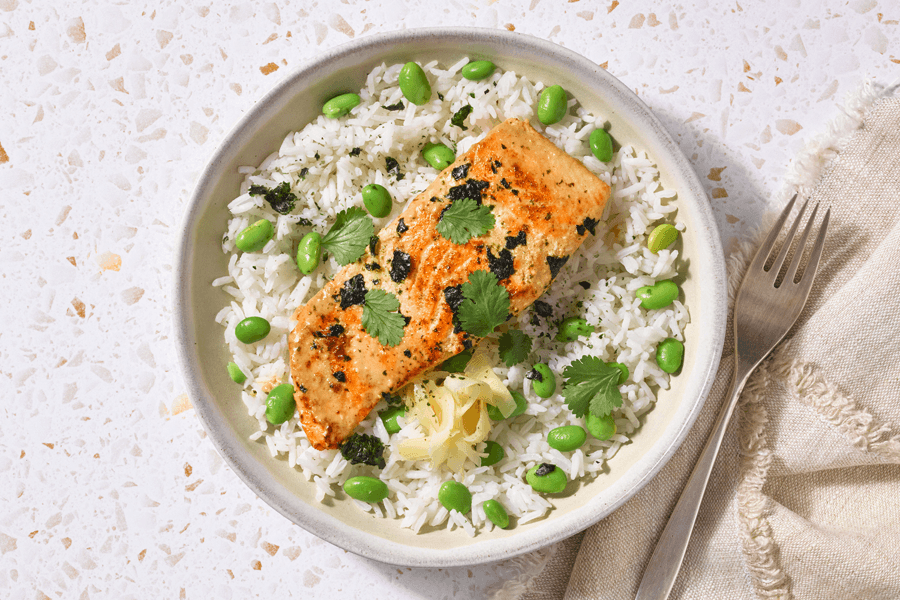
Frive's Citrus & Miso Salmon Poke Bowl.
Building a Flexitarian Week in Practice
The nutritional considerations in this guide are real, but none of them are complicated to manage once you understand the landscape. A well-structured flexitarian week doesn't require daily tracking or meal-by-meal analysis. It requires a sensible pattern and a few default habits that become second nature. A well-varied flexitarian week also naturally supports gut microbiome diversity, with the range of plant foods consumed being one of the strongest drivers of microbial variety.
In practice, that looks something like this: breakfasts anchored around eggs, dairy, and whole grains; lunches rotating between legume-based dishes, grain bowls, and fish; dinners that are predominantly plant-based four or five nights a week, with oily fish appearing once or twice and modest amounts of poultry or red meat on occasion. Vitamin C pairings become habitual quickly. Plant protein variety accumulates naturally across the day. B12 and omega-3s are largely covered by eggs, dairy, and fish.
Where most people run into difficulty isn't a lack of knowledge. It's the accumulated friction of translating those intentions into meals when work, family, and mental load are competing for the same bandwidth. Planning a nutritionally complete flexitarian week from scratch, week after week, is the kind of task that starts to erode by week three.
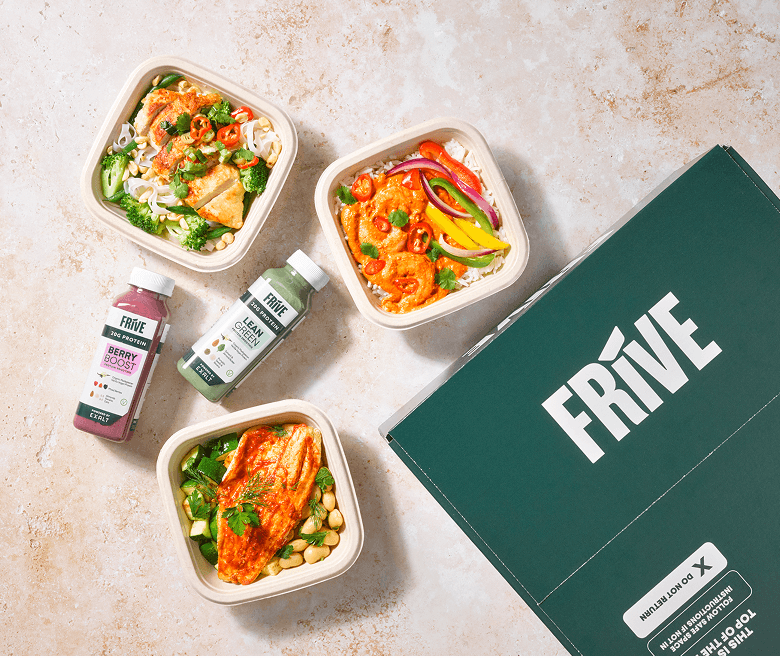
For those weeks, Frive removes that friction entirely. Frive's 100+ monthly meals, chef-crafted from 100% natural ingredients, dietician-approved and free from seed oils, ultra-processed alternatives, and artificial additives, include a broad and rotating plant-forward selection that makes nutritional completeness the default rather than the effort.
Every meal is designed with protein balance and micronutrient completeness built in, sourced from British farms and New Covent Garden Market to Class 1 standard. For the weeks when you don't have the bandwidth to think about iron pairings or amino acid variety, having meals like these available means consistency doesn't depend on effort.
The nutritional concern about eating less meat is legitimate, and with the right knowledge and the right routine, entirely manageable. Eating mostly plants and eating well are not in conflict. They just require a little structure.
FAQs
Is a flexitarian diet nutritionally complete?
Yes, with attention to five key nutrients: protein, iron, zinc, vitamin B12, and omega-3s (EPA and DHA). Most flexitarians who eat dairy, eggs, and occasional fish will meet their requirements without supplementation, provided they use the food-pairing strategies covered in this guide.
What nutrients do flexitarians need to monitor?
The five to watch are protein, haem iron, zinc, vitamin B12, and long-chain omega-3s (EPA and DHA). Flexitarians who regularly eat dairy, eggs, and occasional oily fish will generally cover all five without significant gaps.
Can you get enough protein on a flexitarian diet?
Yes. Active adults need 1.6–2.2g of protein per kilogram of bodyweight daily, achievable through tempeh, edamame, quinoa, eggs, and dairy. Aiming for 30–35g per meal across three meals meets most people's daily target without tracking.
How can you improve iron absorption from plant foods?
Consume vitamin C alongside iron-rich plant foods at the same meal. Research shows this can increase non-haem iron absorption by up to four times. Avoid tea, coffee, and large amounts of calcium at the same meal, as these compete with iron uptake.
Do flexitarians need to supplement vitamin B12?
Not necessarily. Regular dairy, eggs, and occasional fish typically provide sufficient B12 for flexitarians. Supplementation (10–100mcg daily) is worth considering if animal product intake drops below around three servings per day or if a blood test indicates low levels.
What is the difference between haem and non-haem iron?
Haem iron (from animal flesh) is absorbed at 15–35%; non-haem iron (from plants) at 2–20%. The gap is manageable: vitamin C at the same meal significantly boosts non-haem absorption, while tea, coffee, and calcium reduce it.
How do flexitarians get enough omega-3?
One to two portions of oily fish per week cover EPA and DHA needs for most flexitarians. Those reducing fish further can supplement with algae-based omega-3, which provides preformed EPA and DHA directly without relying on the body's inefficient ALA conversion.