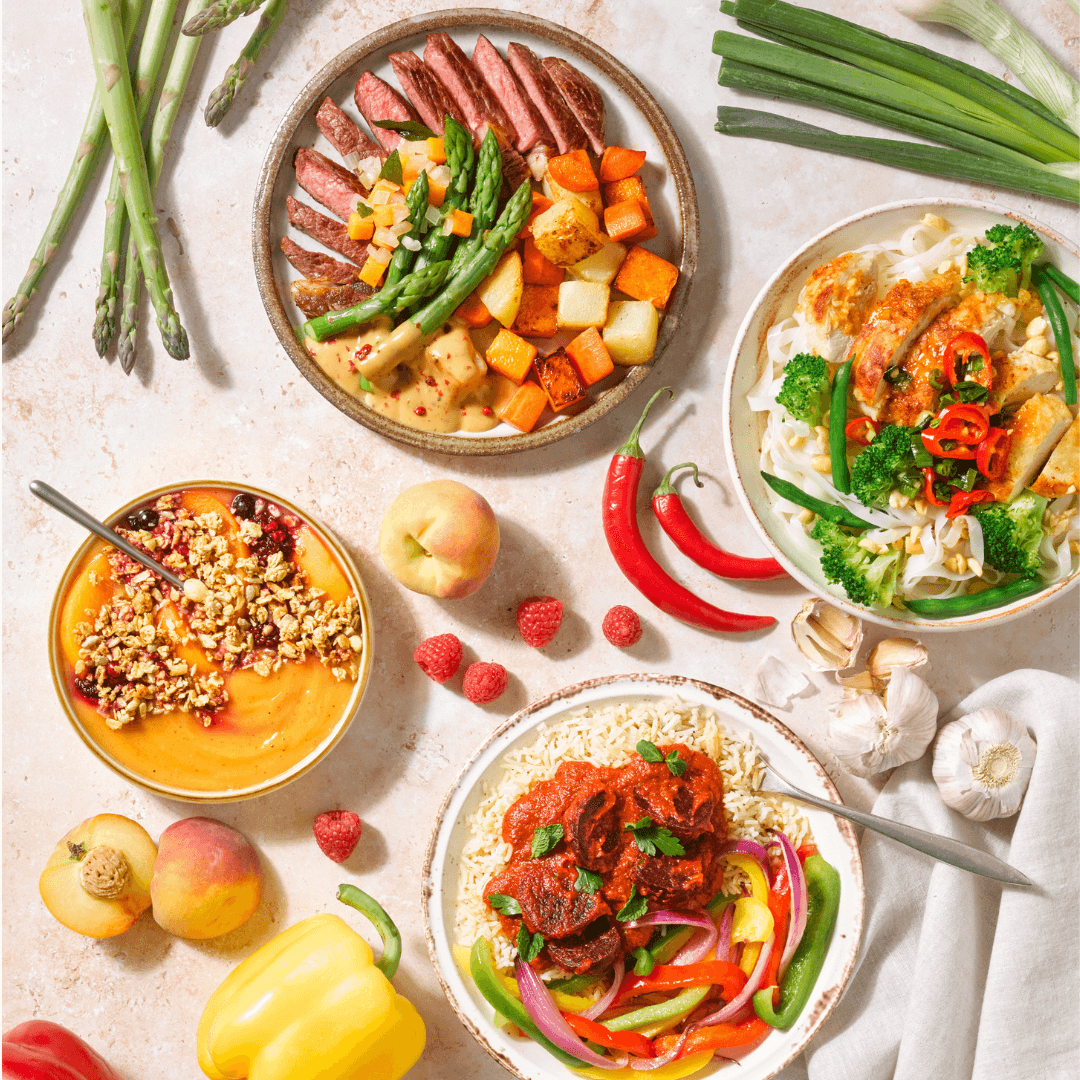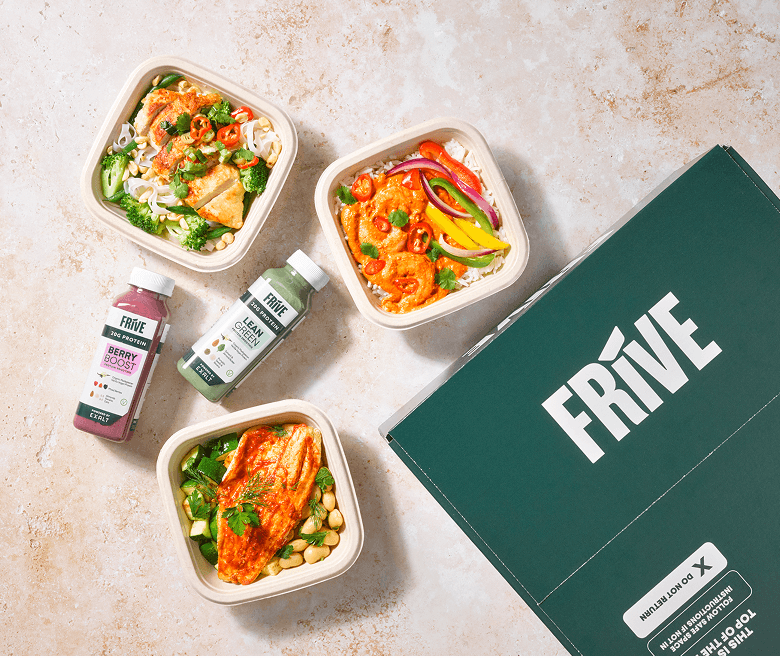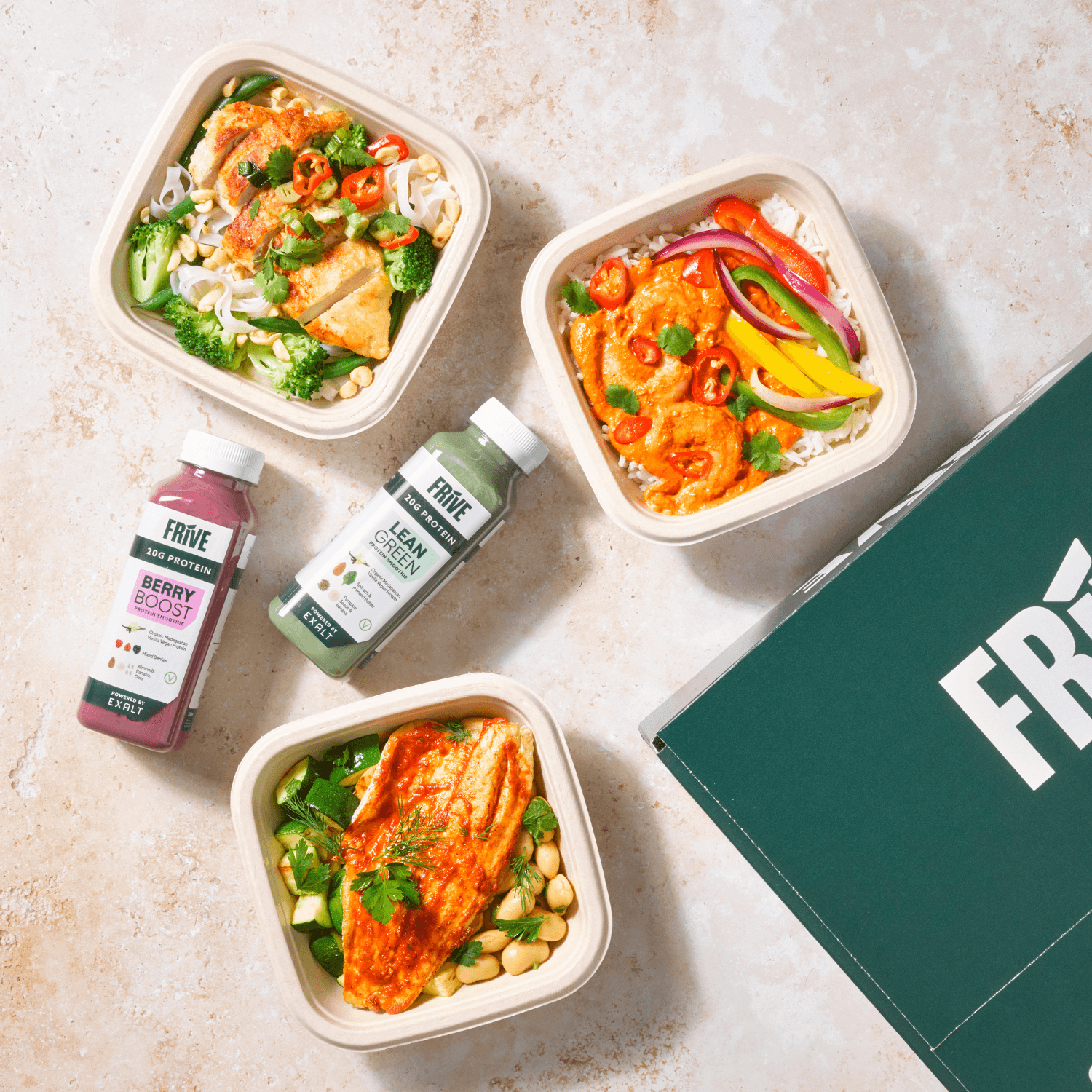
TL;DR: Feeding your staff at work is completely tax-free: no income tax, no National Insurance, no cap on what you spend, nothing to report. You do not need a canteen, it does not have to be daily, and you can part fund it. Hand over cash instead, and it becomes taxable pay.
At a time when the cost of living is still squeezing every pay packet, when social feeds are full of protein targets, ultra-processed food warnings and what people are eating at their desks, and when employers are looking to attract and keep good people without simply raising the wage bill, there is an idea worth another look: the food your staff actually eat during the working day.
Free drinks and snacks are still the most commonly offered UK workplace perk, at 50% of employers. The staff lunch has slipped out of the conversation altogether.
It does not have to mean lunch every day. Buy the team lunch in full one day a week, or put something towards a proper meal daily, and it is a perk employees genuinely feel. It also comes with a tax break most employers do not know exists: feed people at work and the whole thing is free of income tax and National Insurance, with no cap on what you spend and nothing to declare at year's end.
There are few things left in the benefits book that give an employee more than a pound of value for a pound spent. This is one of them.
| Is subsidised staff food taxable? At a glance |
|---|
| No, and that is exactly why it is worth doing. Feed your staff at work, whether you pay in full or put something towards the cost, and it is completely tax-free: no income tax for your employees, no National Insurance for you, nothing to report, and no upper limit on what you spend. The only way to get it wrong is to hand over money instead of food. Cash, card top-ups and high-street vouchers are all taxable pay. |
This article is general guidance, not tax or legal advice. Design any meal benefit with your own accountant or adviser. Last reviewed 3 August 2026.
The law is on your side
This is not a loophole or a scheme. It is a rule that has sat in the same place since 2003, in section 317 of the Income Tax (Earnings and Pensions) Act, and it covers free or subsidised meals given to staff in a canteen or anywhere on your business premises. It asks four things of you:
Keep it sensible. A normal meal, not a banquet.
Offer it to everyone. All your staff, or everyone at a particular site.
If you run a hotel, pub or restaurant, staff eat in a staff-only area while the public is being served.
Pay for it yourself, on top of wages. Meals swapped for salary do not qualify, and have not since April 2011.
Four things about that rule surprise almost everyone:
You do not need a canteen. The rule says canteen or business premises, and the second half stands on its own. Meals delivered to the office and eaten there count; a fridge and a microwave are the whole setup.
“Sensible” is more generous than it sounds. HMRC tells its own inspectors to challenge only what is “clearly unreasonable”, and the example it gives is “an elaborate menu, fine wines and cigars”.
It does not have to be every day. The test is whether a meal is there for everyone, not how often. HMRC’s own examples treat regular office working lunches as tax-free, so buying lunch one day a week works as well as a daily subsidy.
Part paying counts as much as paying in full. Cover the whole cost, or put a set amount towards each meal and let staff pay the difference. Both are equally tax-free, and HMRC confirms your people need not even receive the same level of help as each other.
There is one real trap, and it is the difference between giving people food and giving people money for food. Hand over cash in any form, and the tax comes straight back:
| How each way of funding lunch is taxed | ||
|---|---|---|
| Funding model | Tax treatment | Source |
| You provide meals at work, free or subsidised, open to everyone | Completely tax-free. No income tax, no National Insurance, nothing to report. | ITEPA s.317; EIM21671 |
| Vouchers that can only be used for meals at work or in the canteen | Tax-free, as long as they are actually used for meals at work. | EIM21672 |
| High-street meal vouchers | Taxable. Reported on a P11D, with employer National Insurance due. | gov.uk; EIM16210 |
| A cash lunch allowance | Taxable pay. Income tax and National Insurance through payroll. | gov.uk |
| Money loaded onto a card, account or “purse” | Taxable pay. Money on a card is not a meal in the eyes of the rules. | EIM21675 |
| Paying staff back for food they buy themselves | Taxable. Reimbursing people is not covered by the exemption. | EIM21672a |
| Anything funded by salary sacrifice | Tax-free status lost. Taxed on the greater of the pay given up or the value of the meals. | s.317(4A); EIM44132 |
The fifth row, money loaded onto a card, catches most of the modern “meal allowance” products on the market, whatever the brochure says: HMRC is explicit that handing employees money or credit is not the same as feeding them. Which leaves a rule short enough to remember: put food on the table, pay for it on top of wages, and the taxman stays out of it.
The business case for feeding your team
A funded staff lunch is a rare thing among workplace perks: every pound goes further than the same pound paid as salary, and almost everyone uses it. Here is what it takes to put £5 of lunch in front of someone.
| What £5 of lunch actually costs to deliver | |
|---|---|
| Delivering £5 of value | Cost to the employer |
| As a meal at work, tax-free | About £3.75 after corporation tax relief |
| As £5 of net cash, basic rate taxpayer | About £5.99 |
| As £5 of net cash, a higher rate taxpayer | About £7.43 |
Same budget, roughly 1.6 times more value delivered as meals than as pay. Across 220 working days, that is about £1,100 of untaxed value per person. (Illustrative arithmetic from published 2026-27 rates, not a sourced statistic.)
The pound goes further at every step:
Corporation tax. Deductible as employee welfare expenditure, which expressly includes canteens.
VAT. Free staff meals carry no output VAT, input tax is generally recoverable, and subsidised meals attract VAT only on what the employee pays.
Payroll. Nothing to declare: no P11D, no employer National Insurance, no year-end paperwork.
And soon, less admin still. Taxable perks are moving to real-time payroll reporting from April 2027, covering most of the rest, including food, from April 2028. A taxable lunch becomes a monthly payroll job; a tax-free one never appears.
The evidence is worth stating plainly. Workplace food reliably improves diet: a review of 21 systematic reviews found fruit and vegetable intake rising by 0.2 to 0.7 portions a day wherever it was measured. The organisational evidence is thinner. Among 540 employees eating daily meals at work, a high-quality diet was associated with 36% lower absenteeism, though that is an association rather than proof of cause.
The employers who do it are not sentimental businesses. John Lewis Partnership fed every partner free through winter 2022; Goldman Sachs and Slaughter and May feed their UK offices daily. PwC chose a £1,000 cash bonus instead: generous, transparent, and taxable, so after deductions, much of it never reached anyone’s pocket.
Why employees will actually thank you
Benefits fail when employees do not feel them. This one lands three ways at once:
It is real money. A supermarket meal deal every working day now costs about £909 a year, and average UK food-to-go spend has reached £12.98 a visit, up 8.5% in a year. Matching £1,100 of meals from their own pocket would take roughly £1,500 of extra gross salary.
It reaches a real need. Food Foundation research found 38.6% of food-insecure UK households are in work, rising to roughly one in four among NHS and social care workers. For a meaningful slice of the workforce, this is help with a core weekly cost, delivered with dignity because everyone gets the same lunch.
It fixes the midday food environment. Ultra-processed food supplies around 57% of the energy in the average UK diet, and when workplaces do provide free food, the research finds it is dominated by items high in fat, sugar and salt. The doughnut trolley is the failure mode, not the model.
There is a bigger point than pounds and portions. A funded lunch is a business visibly doing its bit, taking a share of responsibility for its people’s health in the most tangible form there is.
Most wellbeing perks are abstractions: the gym membership used by a fraction of the team, the app opened twice and forgotten, the counselling line most people hope never to need. A good lunch happens every working day, everyone is invited, and nobody has to opt in or find the motivation.
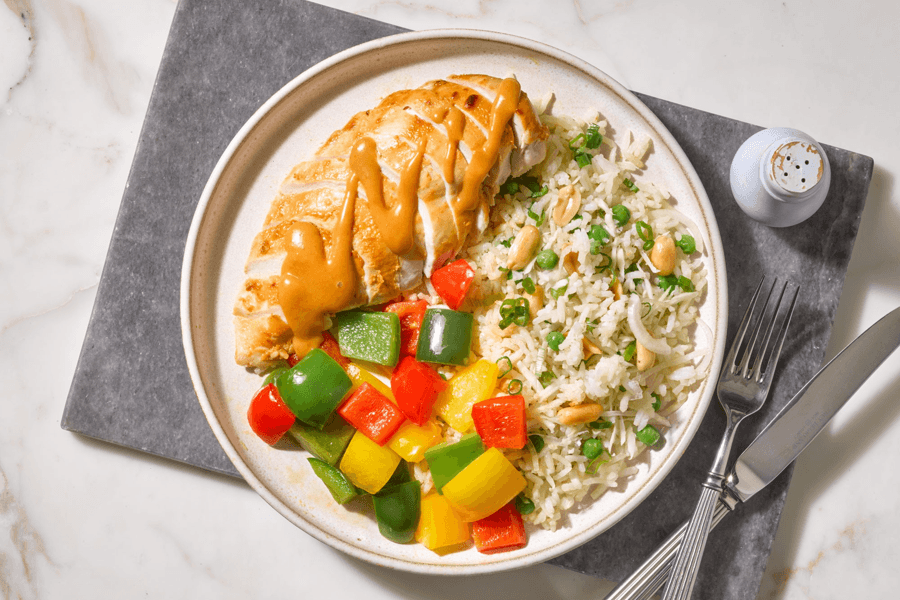
When it is made from real, recognisable ingredients rather than ultra-processed shortcuts, and tastes good enough that people look forward to it, it says something no poster in the kitchen ever will. Gallup’s point that perks do not buy engagement cuts in favour here: employees can tell the difference between a gimmick and a meal.
Feeding a team no longer means building a canteen
The reason employers stopped doing this was logistics, not law. A staff lunch used to mean a contract caterer, a fitted kitchen and a multi-year agreement; one industry estimate puts a mid-size canteen fit-out at £400,000 or more. That barrier has gone. Healthy meal prep delivery services now let a business tap in and out of feeding its team:
No kitchen, no fit-out. Chilled, individually portioned meals reheat in minutes; a fridge and a microwave are the entire infrastructure.
No lengthy contracts. Ordering runs week to week, so provision can grow, shrink or pause as the business changes.
Built for hybrid. Fund lunch on your anchor days only, from one fully funded day a week upwards.
Dietary needs handled structurally. Individual portioning and labelling handles allergens meal by meal, rather than through one person’s heroic spreadsheet.
This category barely existed a decade ago, and it has changed who the staff lunch is for. It is no longer reserved for the corporate campus with a catering floor: it is available to a 40-person office above a shop, starting next week.
How to do it well
The design rules fit on a postcard, and most exist to protect the tax break.
Everyone, everywhere. A meal has to be available to all your staff, or everyone at a site, and what matters is that they can have it, not whether they do. In one of HMRC’s own examples, a single security guard left out of the office lunches cost the whole company its tax-free status. Map nights, drivers and field staff first.
Pick a cadence you can sustain. One funded lunch a week that survives the next budget round beats a daily programme cut in March. Frequency is yours to choose; availability to everyone is not.
Per working day is inherently fair. A perk that lands each day someone is on site is automatically pro rata for part-timers and hybrid workers. Be sure that it is on-site only: food delivered to homes falls outside the rules.
A broad menu is a compliance point, not a garnish. If some of your team cannot eat what is provided, for halal, kosher, allergen or medical reasons, you have an inclusion problem and possibly a tax one, because a meal is not really available to them. Offering those people cash instead is taxable. Choice is the fix.
Part paying is fine, and can even help. The tax treatment is identical either way, and a small employee contribution creates buy-in; Belgium builds a mandatory EUR 1.09 employee stake into its national scheme for that reason.
Fund it on top of pay, always. Salary sacrifice has killed the tax break since 2011, and a lunch from people’s own wages would deserve the cynicism it got. Then measure it like anything else: cost per person who actually eats, take-up, and how many of your team can eat well from the menu.
Where Frive for Work comes in
Real meals at the workplace, open to everyone, at whatever cadence suits the business, is exactly what Frive for Work was built to provide:
Employees choose their own meals in advance from a weekly menu of more than 40 dishes, made from 100% natural ingredients with nothing ultra-processed.
Every dietary requirement in your team is covered, not accommodated as an afterthought: halal, vegetarian, vegan and gluten-free meals sit on the same menu as everything else.
So is whatever people are working towards: high protein, balanced, low calorie and low carb, so the gym crowd and the get-through-the-afternoon crowd are equally well fed.
Meals arrive chilled and reheat in minutes: no kitchen, no catering team, no fit-out.
You choose how much to put in, the full cost or a set amount per meal, with employees covering the rest, on consolidated company billing from a minimum of 35 meals a week.
Whether that means lunch on the company every Thursday or a meal every day with the business covering most of the cost, the point stands: the law has always allowed this, and the logistics that once made it hard have never been easier. The companies that bring it back first will be the ones whose people feel it, every working day.
Loading the menu…
Ready to put something better in front of your team? See how Frive for Work works, browse this week’s menu to see exactly what your team would be eating, or talk to us about feeding your workplace, and we will show you what it looks like for your headcount.
A closing reminder: this is general guidance, not tax advice. The rules summarised here are those in force in August 2026, and the thresholds change. Take advice on your own arrangements before you launch.
FAQs
Is free lunch a taxable benefit in the UK?
No, not when it is provided as a meal in a canteen or on the employer’s business premises, is on a reasonable scale, is available to all staff or all staff at a location, and is not funded by salary sacrifice. Under section 317 of ITEPA 2003, there is no cap on its value.
Do I need a canteen to provide tax-free staff meals?
No. The exemption covers meals provided in a canteen or on the employer’s business premises, as alternatives. Meals delivered to the workplace and eaten there can qualify with no kitchen or canteen at all. A restaurant, cafe or pub open to the public does not count.
Does staff lunch have to be provided every day to be tax-free?
No. The exemption tests whether a free or subsidised meal is available to all employees, not how often it is provided. A fully funded lunch one or two days a week, or a modest subsidy every day, can both qualify, provided everyone at the location can take part.
Can staff meals be provided through salary sacrifice?
No, not tax-free. Since 6 April 2011, the exemption is lost where meals are provided under salary sacrifice or flexible remuneration arrangements, and since April 2017, the taxable amount is the greater of the pay given up and the benefit’s value. The benefit must be funded on top of pay.
Are meal vouchers taxable in the UK?
Usually, yes. Vouchers spendable at high-street outlets are taxable, with National Insurance due, and the old 15p luncheon voucher relief was abolished in 2013. Vouchers redeemable only for meals at the workplace or in a staff canteen can remain within the exemption.
What about hybrid workers who are not in the office every day?
The exemption tests availability, not attendance, so hybrid employees qualify on the days they are in. Meals delivered to a home address are not on the employer’s business premises, and HMRC has published no guidance extending the exemption there, so treat the home-working position as unresolved.
Can I use the £50 trivial benefits exemption for staff lunches?
Not for a regular programme. Trivial benefits must be irregular, must not reward work and must not be a contractual entitlement, so recurring staff meals fail on all three. One-off gestures under £50 can qualify. For ongoing meals, section 317 is the right tool and has no cap.
Is the cost tax deductible, and is there VAT to pay?
Yes and mostly no. Staff meals are deductible for corporation tax as employee welfare expenditure. Free meals to employees carry no output VAT, and input VAT is generally recoverable; where employees pay a subsidised price, VAT is due only on the amount actually paid. Confirm specifics with your adviser.