If you have spent any time reading about health this year, you have probably met the phrase metabolic flexibility. It has moved out of research papers and biohacker forums and into mainstream conversations about energy, weight and ageing well. The trouble is that most explanations are either buried in jargon or so vague they tell you nothing useful.
This is the plain-English version. We will cover what metabolic flexibility actually is, why it shapes how you feel between meals, and how everyday food choices build it. No gadgets, no extreme fasting and no exotic supplements required.
| Metabolic flexibility: at a glance | |
|---|---|
| In one sentence | Your body's ability to switch efficiently between burning carbohydrate and burning fat for fuel, depending on what is available and what you are doing. |
| What it gives you | Steadier energy, fewer cravings, and an easier time between meals, during exercise and when you skip a meal. |
| How you build it | Ordinary, repeatable habits: balanced natural meals with enough protein and fibre, regular movement and decent sleep. |
| What you don't need | No continuous glucose monitor, no prolonged fasting protocol and no single supplement to get started. |
The metabolic-health term everyone will be using in 2026
A few years ago, metabolic flexibility was a niche idea discussed mainly by exercise physiologists and people who track their glucose for fun. In 2026 it has become one of the foundational concepts behind a lot of mainstream advice on energy, weight and longevity. When a health writer talks about steady all-day energy, or a coach explains why some people can skip lunch without falling apart, metabolic flexibility is usually the mechanism underneath.
It is worth understanding properly, because it reframes a problem most busy people recognise. That mid-afternoon energy crash, the constant snacking, the feeling that you cannot go three hours without food: these are not character flaws. They are often signs of a metabolism that has lost some of its flexibility. The good news is that flexibility is trainable, and the most powerful lever is the most ordinary one, which is what you eat on a normal day.
What metabolic flexibility actually means
Your body runs on two main fuels: carbohydrate (stored as glucose) and fat. A flexible metabolism switches cleanly between them depending on supply and demand. After a meal rich in carbs, it happily burns glucose. A few hours later, or during a long walk, or overnight, it shifts smoothly to burning fat instead. Researchers define metabolic flexibility as exactly this: the ability to adapt fuel use to fuel availability.
The easiest way to picture it is a hybrid car. A good hybrid moves seamlessly between petrol and its electric battery, using whichever suits the moment, and you barely notice the handover. A flexible metabolism does the same with glucose and fat. An inflexible one is more like a car stuck in a single gear: it can only really run on a constant drip of carbohydrate, so the moment that supply dips, performance stutters. In a person, that stutter feels like sudden hunger, low energy and a craving for something sweet.
When you are metabolically flexible, the gaps between meals are comfortable and your energy stays level. When you are not, your body leans on frequent carbohydrate top-ups to function, which is why the table below tends to describe two very different daily experiences.
| What you notice | Flexible metabolism | Inflexible metabolism |
|---|---|---|
| Energy between meals | Steady and reliable, even on a busy day | Dips and crashes, especially mid-afternoon |
| Cravings | Occasional and easy to ignore | Frequent, urgent, usually for sugar or refined carbs |
| Skipping or delaying a meal | Manageable; you can wait without drama | Difficult; you feel shaky, irritable or foggy |
| Fuel switching | Moves smoothly between burning carbs and fat | Stuck in carb-burning mode and relies on top-ups |
| During exercise | Taps into fat stores, so endurance holds up | Runs out quickly without a carbohydrate hit |
Why it matters for your energy, weight and long-term health
The everyday payoff is the one you feel first. A flexible metabolism means your energy does not live or die by your last snack. You get fewer cravings, a calmer relationship with food, and the freedom to let a meal run late without your concentration falling off a cliff. For most people, that steadiness is the whole point, and it is the difference between an afternoon you push through and one you simply coast through.
It also makes weight management less of a fight. When your body can comfortably tap into fat for fuel, the long stretches between meals stop triggering the urgent hunger that drives overeating, which is part of why metabolic flexibility shows up so often in conversations about body composition and steady, sustainable fat loss.
Over the longer term, the picture connects to insulin sensitivity, which is how responsive your cells are to the hormone that ushers glucose out of the blood and into use. Reviews of the metabolic-flexibility research describe a close link between flexible fuel use and good insulin sensitivity, and they note that metabolic inflexibility tends to travel alongside conditions like obesity and type 2 diabetes. We are talking about general, healthy-population metabolism here rather than anything clinical, but the direction is clear: the habits that keep you flexible are broadly the same ones that support healthy ageing. Put simply, staying flexible is less about chasing a single number on a screen and more about keeping the whole system responsive.
If you want the everyday version of all this, think back to the classic post-lunch slump. That 3pm crash, where focus drains away and you reach for a biscuit, is metabolic inflexibility in miniature: a big glucose load, a scramble to clear it, and a dip on the other side because your body cannot smoothly switch to its backup fuel.

What blunts your metabolic flexibility
Flexibility is not lost overnight, and it is rarely about willpower. The modern food environment quietly pushes the body toward carb-dependence. A diet built on constant refined carbohydrates, grazing all day, sugary drinks and ultra-processed foods keeps glucose flowing into the bloodstream almost continuously. If the carbohydrate never really stops arriving, your body never gets the cue to practise switching to fat, and over time that switch gets rusty.
Two other factors compound it. Long sedentary days reduce the demand on your muscles, which are where a lot of fuel-switching happens. And poor sleep nudges things in the wrong direction too: even short stretches of restricted sleep have been shown to reduce insulin sensitivity in healthy adults, making the whole system less responsive. Your gut microbiome plays a supporting role as well, since the bacteria you feed help shape how you handle what you eat.
The honest framing is that this is the food and lifestyle environment doing its thing, not a personal failure. Most of us are nudged toward inflexibility by default. Which means most of us can nudge it back.
How to actually build it (no gadgets required)
You do not need to track anything or buy anything to start. Five ordinary habits do most of the work, and they are listed in order of leverage, with food first. None of them ask for perfection; they ask for repetition.
Build balanced natural plates. Anchor each meal with protein and fibre alongside your carbohydrates. Both slow the release of sugar into the bloodstream and flatten the spike-and-crash pattern, which gives your body the gentle gaps it needs to practise burning fat. Of the five habits this one has the strongest evidence behind it, because protein and fibre both measurably lower the rise in blood sugar after a meal.
Go easy on refined carbs and grazing. You do not have to ban anything. Just stop the all-day drip of biscuits, sweet drinks and snacks so your metabolism gets regular stretches without an incoming glucose load.
Move regularly, and add a little resistance work. Walking is brilliant for general health, but muscle is where fuel-switching is trained. A couple of short strength sessions a week measurably improve how well your body burns fat.
Protect your sleep. Aim for a consistent seven to nine hours. Sleep is when a lot of metabolic housekeeping happens, and skimping on it blunts insulin sensitivity within days.
Let meals breathe. You do not need an extreme fast. Simply leaving a sensible gap between meals, rather than topping up constantly, gives your body the chance to switch fuels and keeps the habit alive.
It is also worth clearing up a few myths, because the noise around this topic is loud:
You do not need a CGM. A continuous glucose monitor can be interesting, but it is a curiosity, not a requirement. The habits above work whether or not you can see your glucose on a phone.
Fasting is not the only way. Long or aggressive fasts are one route, not the route. Consistent, balanced eating builds flexibility just as well and is far easier to sustain.
It is not the same as having a fast metabolism. Metabolic flexibility is about how cleanly you switch fuels, not about how many calories you burn at rest. They are different things, and flexibility is the one you can train.
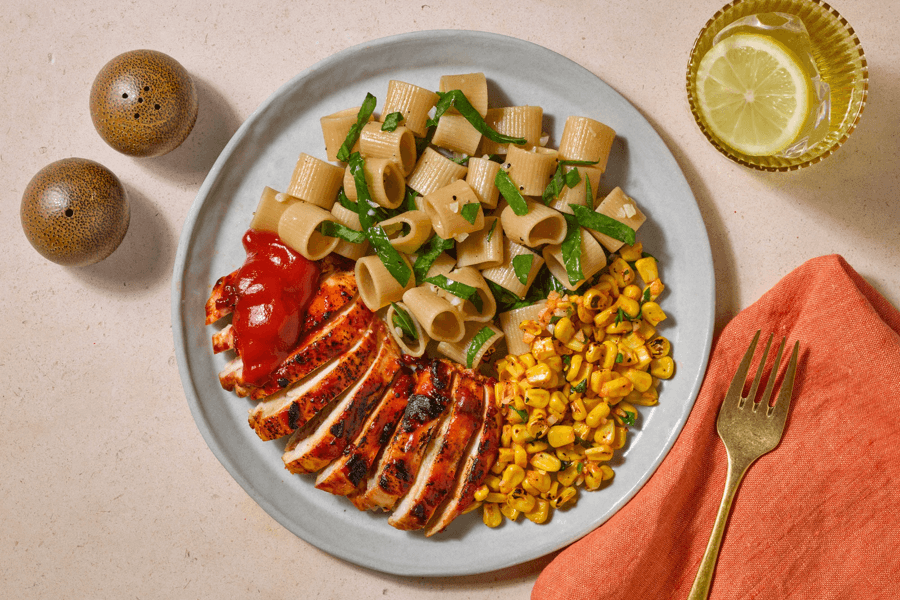
Frive's Smoky BBQ Chicken With Spinach Rigatoni
The consistency problem
Here is the honest catch. Metabolic flexibility is not built in a heroic week; it is built by what you eat most days. The single highest-leverage move is making your everyday, unremarkable meals consistently balanced and natural based. And that is precisely the part busy people find hardest to sustain. The knowledge is rarely the problem; the Tuesday-night reality of being tired, busy and out of ideas is.
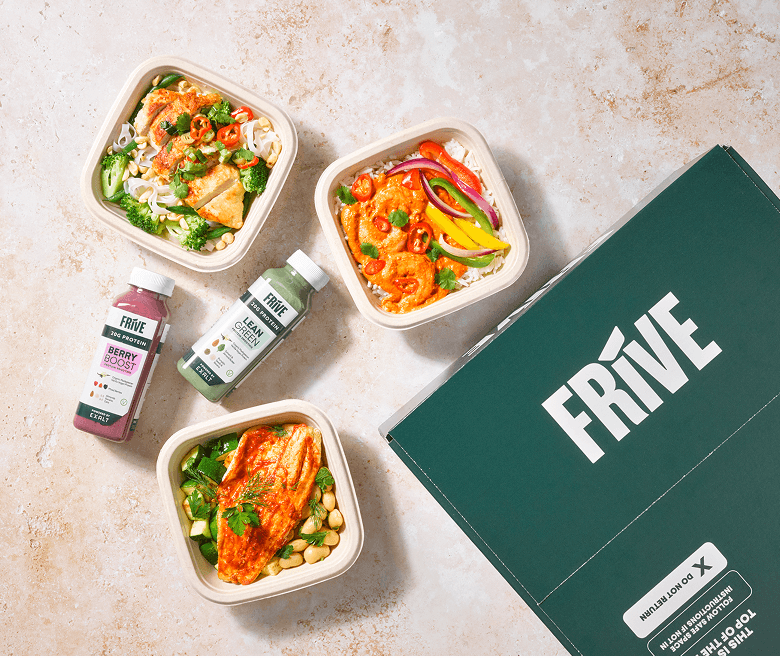
This is where Frive is designed to help. The whole point is to make balanced, natural, most-days eating effortless rather than another job. Every meal is built by a nutrition team to land the kind of protein, fibre and macro balance that supports stable blood sugar and flexible fuel use, using 100% natural ingredients with no ultra-processed ingredients, no seed oils and no refined-carb fillers, which is the opposite of the pattern that drives carb-dependence in the first place.
With more than a hundred meals rotating through the menu each month, eating this way most days stays varied rather than monotonous, and because everything arrives ready in minutes, the easy choice and the flexible-metabolism choice become the same choice. If you want to see how it fits a normal week, take a look at how it works or browse this week's menu. Flexibility is built on consistency, and consistency is a lot easier when the cooking is already done.
Frequently asked questions
How long does it take to improve metabolic flexibility?
There is no overnight switch, but most people notice steadier energy and fewer cravings within a few weeks of eating more balanced, natural meals and moving regularly. Deeper changes in how efficiently your body switches fuels build over months of consistency, which is why the everyday habit matters more than any short burst of effort.
Do I need a continuous glucose monitor to work on it?
No. A CGM can be an interesting window into your glucose responses, but it is entirely optional. The habits that build flexibility, namely balanced plates, regular movement and decent sleep, work whether or not you are tracking anything, and most people make excellent progress without ever wearing one.
Is fasting the only way to become metabolically flexible?
Not at all. Prolonged or aggressive fasting is just one route, and not a necessary one. Consistent natural eating with sensible gaps between meals trains the same fuel-switching ability, and it is far easier to sustain over the long run than extreme protocols.
Is metabolic flexibility the same as having a fast metabolism?
No, they are different things. A fast metabolism usually refers to how many calories you burn at rest. Metabolic flexibility is about how cleanly your body switches between burning carbohydrate and fat. You can train your flexibility regardless of your baseline metabolic rate.
What foods help build metabolic flexibility?
Natural foods that combine protein and fibre with their carbohydrates are the foundation, because they slow the release of sugar and reduce the spike-and-crash pattern. Think eggs, fish, lean meat, pulses, vegetables, whole grains and yoghurt, with refined carbs and sugary drinks kept to the occasional rather than the constant.
Can poor sleep really affect my metabolism?
Yes. Studies in healthy adults show that even a week of restricted sleep can reduce insulin sensitivity, which makes the whole fuel-handling system less responsive. Protecting a consistent seven to nine hours is one of the simpler ways to support flexible fuel use.
Does metabolic flexibility help with weight management?
It can make it less of a struggle. When your body comfortably taps into fat between meals, you are less likely to be driven by the urgent hunger that leads to overeating. It is not a magic fix, but a flexible metabolism tends to make sustainable eating feel easier rather than harder.