Walking out of a supermarket with a low total on the receipt feels like a small win. In a stubborn cost of living squeeze, trimming a few pounds off the weekly shop is a sensible instinct, and for families, couples and people living alone alike, the cheaper basket can feel like the responsible choice.
There is a catch, though. Judging your food only by the number at the till introduces a quiet accounting error into your long-term finances. The savings created by cheap, ultra-processed convenience food are largely an illusion, generated by a delayed billing system. The sticker price is genuinely low; the trouble is that the rest of the bill arrives years later, with interest. We can think of that deferred charge as a lifetime health tax.
None of this is about judging anyone's budget or choices. Wanting to keep daily costs down is completely rational. Real budgeting, though, means reading the whole invoice rather than just the headline figure, and once you add up what cheap food costs you in health, energy and future spending, the convenient option starts to look a lot more expensive. In this article we count the full bill: the hidden cost areas, a side-by-side basket comparison, and a simple way to work out the true lifetime value of what is on your plate.
| At a glance: the lifetime health tax | |
|---|---|
| Delayed billing | A cheap grocery bill works like a high-interest loan: a small saving now in exchange for a much larger, compounding cost later. |
| A daily productivity tax | Ultra-processed meals trigger blood-sugar swings that drain afternoon focus, so the discount at the till is quietly paid back in lost working hours. |
| A national bill of £268bn | Analysis for the Food, Farming and Countryside Commission puts the cost of the UK's unhealthy food system at £268 billion a year, almost £5,000 per adult. |
| Higher long-term risk | A BMJ umbrella review of nearly 10 million people links high ultra-processed food intake with around a 50% higher risk of death from cardiovascular disease. |
| Quality is an investment | Food is one of the few recurring costs where spending more on quality can plausibly lower your other costs: health, energy and time. |
| The fix is a system | Removing the daily shopping and cooking decision, rather than relying on willpower, is what makes the better choice actually stick. |
What the supermarket receipt doesn't show
The true cost of cheap food is the sum of three bills the receipt never prints: a long-term health bill, a daily productivity bill, and a future medical and lifestyle bill. The price you pay at the till is only the deposit.
When you buy a heavily processed, budget meal, the transaction feels finished the moment your card beeps. It is not. The low sticker price is a down payment, and the balance is collected slowly, out of your daily energy and your future bank account. To see how that works, it helps to read your diet through three financial filters.
The long-term health cost
A diet high in ultra-processed food is consistently linked with a greater risk of serious chronic illness, and this is the single largest item on the hidden bill.
The strongest evidence to date is a BMJ umbrella review that pooled data on nearly 10 million people. It found that higher exposure to ultra-processed food was associated with around a 50% greater risk of dying from cardiovascular disease, alongside a roughly 12% higher risk of type 2 diabetes and raised risks across dozens of other outcomes. These are population-level associations rather than guarantees for any one person, but the direction of travel is clear and consistent.
This matters in Britain because ultra-processed food is not a fringe habit; it makes up roughly 57% of the average UK adult's calorie intake. When that much of the national plate is industrially formulated, the small daily choice to buy the cheaper option is quietly shaping long-term health outcomes at scale.
The energy and productivity cost you pay today
The lifetime health tax does not wait for retirement; it takes a daily cut from your current income by draining your concentration.
Cheap, ultra-processed meals are typically built for rapid digestion. They flood the bloodstream with fast glucose, prompt a sharp insulin response, and are often followed by a reactive dip that leaves you foggy and flat. That is the familiar mid-afternoon energy crash, and it lands squarely on your most valuable working hours. If a convenient lunch costs you two hours of sharp thinking every afternoon, the saving at the checkout has already gone.
The future medical and lifestyle cost
The final instalment arrives as real money leaving your account during your highest-earning years, and as a national bill measured in hundreds of billions.
Professor Tim Jackson's analysis for the Food, Farming and Countryside Commission estimates that Britain's unhealthy food system costs the country £268 billion a year, close to the entire annual NHS budget. Around £116 billion of that is lost workplace productivity, with the rest falling on healthcare, social care, welfare and the human cost of chronic illness.
We rarely connect these bills back to old shopping habits, because the gap in time is so long. When someone starts paying for private consultations or ongoing prescriptions in their late forties, it gets written off as simply getting older. Often, it is the final invoice for decades of cheap convenience food coming due.
| Type of cost | Visible cost (on your receipt) | Hidden cost (the lifetime tax) |
|---|---|---|
| Long-term health | Low upfront price per calorie. | A higher risk of chronic conditions such as heart disease and type 2 diabetes over time. |
| Daily productivity | Small savings on fast, convenient food. | Reduced focus, afternoon energy slumps and lower output during your working day. |
| Future lifestyle | Little immediate impact on your balance. | Compounding spend on medical care, plus lost earning capacity in your peak years. |
A worked example: two weekly shops compared
Put two realistic single-person baskets side by side and the gap between the price you pay and the price you incur becomes obvious.
| Weekly basket | Checkout price | What it costs beyond the till |
|---|---|---|
| Ultra-processed (white bread, frozen ready meals, cereal, crisps, fizzy drinks) | Around £45 | Lost afternoon focus now, plus a larger share of the long-term health and medical bill later. |
| Natural (oats, lean meat, fish, eggs, vegetables, pulses) | Around £75 | Little to none: this basket pays its bill upfront and protects your energy and long-term health. |
On Saturday afternoon the natural basket looks like the expensive one, by about £30. But that £45 basket is not really the cheaper option; it is the financed one, quietly collecting repayments from your energy and your future health for years afterwards.
| The national bill, scaled to one person |
|---|
| The FFCC puts the cost of the UK's unhealthy food system at £268 billion a year. Shared across the roughly 54 million adults in the UK, that is the equivalent of almost £5,000 for every adult, every year. It is a societal average rather than a personal invoice, but it shows the order of magnitude we simply do not price in at the till. £268bn a year ≈ almost £5,000 per UK adult |
What the evidence on ultra-processed food really shows
The link between cheap, industrial food and rising lifetime costs is supported by a large and growing body of research, even though honest uncertainty remains about the precise mechanisms.
When researchers look across whole populations, the pattern is consistent: as the share of ultra-processed food in a national diet rises, so does the burden of diet-related disease, and the healthcare bill follows. The FFCC costing is the most comprehensive UK attempt to put a number on that burden, and it deliberately combines the direct public costs with the indirect costs, such as lost productivity and human cost, that never show up in government accounts.
It is worth being straight about the limits. Scientists are still working out exactly how specific emulsifiers and additives behave in the body over decades, and some people eat a heavily processed diet for years without obvious harm. But the financial case holds even on conservative estimates. You do not need the worst-case scenario for the maths to favour natural food; once you price in brain fog, lost hours and the occasional cheap-ready-meal habit, better food stops looking like a luxury and starts looking like basic cost avoidance.
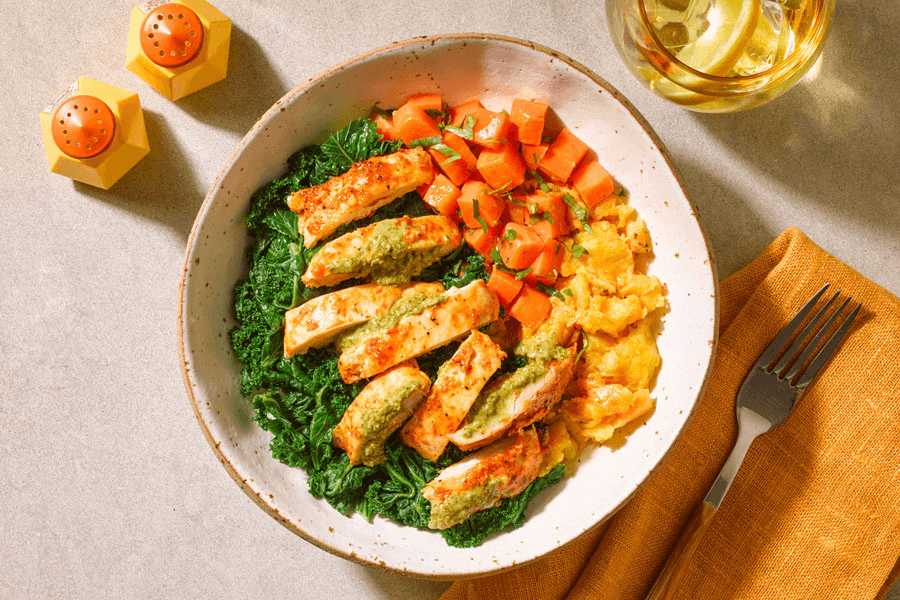
Frive's Pollo a la Brasa Chicken Thighs with Smashed Plantain & Kale
Food is the rare cost that can lower your other costs
Most recurring bills are pure outflow. Food is unusual: spend more on quality and you can plausibly reduce what you spend elsewhere, on health, energy and time.
Council tax, utilities and insurance keep the lights on or guard against disaster, but they never actively make your week easier. Upgrading what you eat behaves differently. It works less like a cost and more like a long-horizon investment that pays back across several areas at once.
The case for preventative spending
Anyone who runs anything understands maintenance. You would not keep expensive machinery running on the cheapest incompatible parts to save a little now, because the repair bill later wipes out the saving. The body runs on the same logic. Cheap, ultra-processed food today quietly builds a physical debt that charges a high rate of interest in ten or twenty years; spending a little more on natural now compounds in the other direction, into steadier focus and better long-term resilience.
Redefining the sticker price of real food
The belief that natural food is simply too expensive usually comes from an unfair comparison: real food measured against the artificially low price of industrial products. The premium on natural food reflects something real, including British farming standards, better-quality protein and clean ingredients. Viewed over a lifetime rather than a single shop, and set against what you save elsewhere, real food stops looking like an indulgence and starts looking like the sensible financial decision.
Re-pricing your plate
Once you judge food on lifetime value rather than sticker price, paying more for genuinely natural meals is a rational investment, not an indulgence, and that is the bracket Frive is built for.
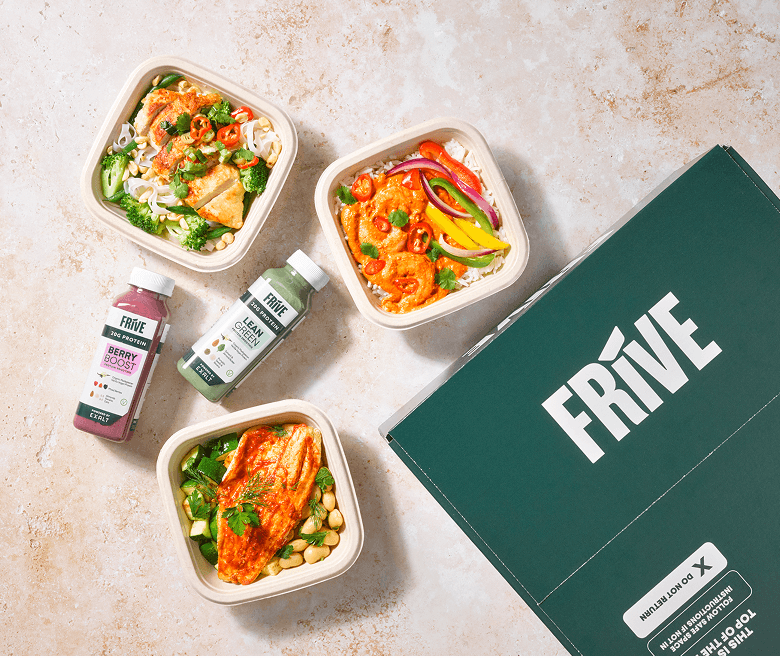
The real obstacle for most people is not understanding any of this; it is time. Protecting your afternoon focus should not mean turning every evening into a second shift of prep and washing-up. Frive's healthy ready meals are designed to remove that friction: chef-made dishes delivered to your door, ready in minutes, so the better option is also the easiest one.
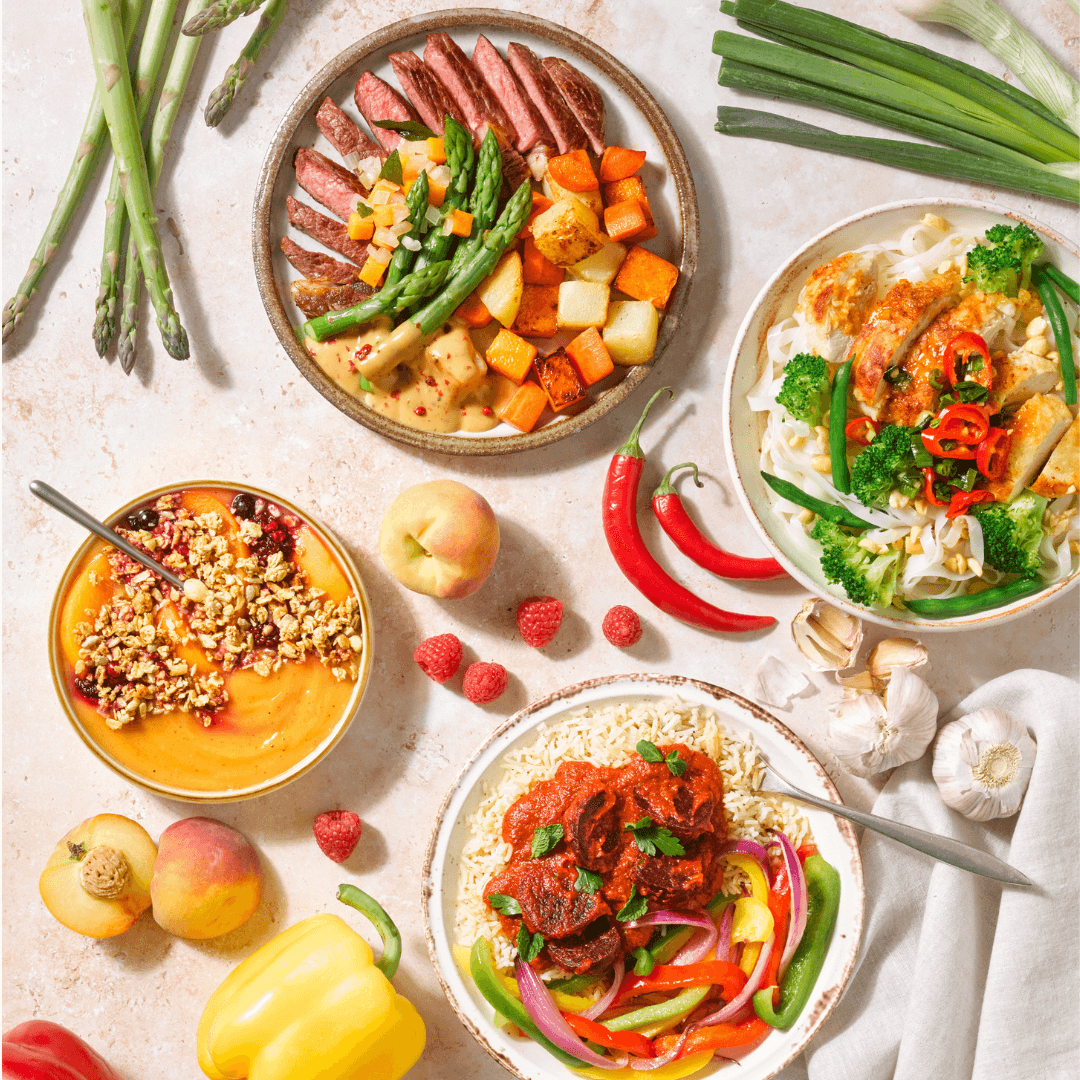
What you are actually paying for is the quality the lifetime-tax argument is built around avoiding. Every dish is made from 100% natural ingredients, with no ultra-processed additives or cheap seed oils, which are the exact ingredients that drive the health tax. The sourcing is specific rather than vague: Red Tractor-approved British meat and Class 1 vegetables from New Covent Garden Market, the same grade used by Marks and Spencer. The menus are dietitian-approved and balanced for steady blood sugar rather than just calories, so there is no afternoon crash to pay for later.
Crucially, none of that comes with a convenience penalty. Fresh meals start from around £4 each, arrive four days a week and heat in minutes, with no shopping, prep or washing-up. Choosing to invest in your diet is not extra spending; it is the same budget, reallocated to cover the complete bill rather than just the deposit.
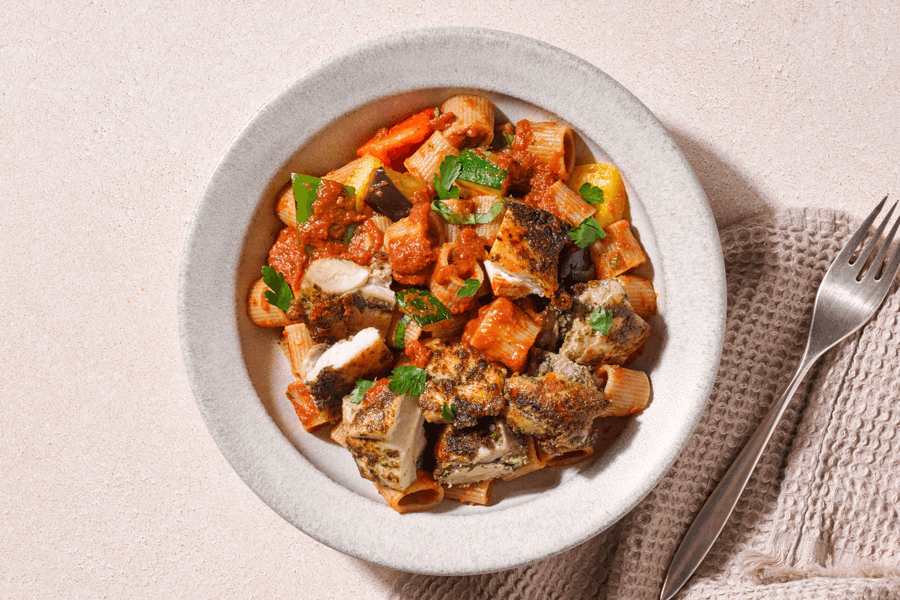
Frive's Chicken Puttanesca Rigatoni
| How to re-price your plate | What to do |
|---|---|
| Audit by the hour | Work out the cost of losing two hours of deep focus to an afternoon slump, every working day. |
| Cost your own time | Add the time spent planning, shopping, cooking and washing-up to the price of a meal, at your own hourly rate. |
| Price in prevention | Treat the extra cost of natural food as a small health-insurance premium against future medical bills. |
You trade supermarket queues and the mental load of planning for reliable, high-quality fuel that protects both your current earning power and your future health. Explore this week's Frive menu and see how it fits your budget, one plate at a time.
Frequently Asked Questions
Is cheap food actually more expensive in the long run?
Often, yes. A low grocery bill works like a high-interest loan: you save a little at the till but pay it back later through higher health risks, lost productivity and future medical costs. Counting those deferred costs usually makes cheap, ultra-processed food the more expensive option overall.
How much does an ultra-processed diet cost the UK?
Analysis for the Food, Farming and Countryside Commission puts the cost of the UK's unhealthy food system at £268 billion a year, including around £116 billion in lost productivity. Shared across UK adults, that is the equivalent of almost £5,000 per person each year.
Is expensive food always healthier?
No. Price alone does not guarantee quality, and plenty of premium products are still ultra-processed. The more useful test is not cost but composition: whole, minimally processed ingredients with no industrial additives or cheap seed oils.
What is the 'lifetime health tax' on cheap food?
It is the hidden, compounding cost of a cheap, ultra-processed diet: higher long-term health risk, lower daily energy and productivity, and greater medical and lifestyle spending over decades. The receipt shows the deposit; the lifetime health tax is the rest of the bill.
Is ultra-processed food really linked to disease?
The evidence is strong and consistent. A BMJ umbrella review of nearly 10 million people linked high ultra-processed food intake with around a 50% higher risk of cardiovascular death and a higher risk of type 2 diabetes, among other outcomes. These are population-level associations, not certainties for any individual.
How much of the UK diet is ultra-processed?
Ultra-processed foods make up roughly 57% of the average UK adult's calorie intake, and close to two-thirds for many teenagers. That high baseline is why small, everyday choices about cheap convenience food add up to such a large national health cost.
Is a healthy meal delivery service worth the money?
It can be, if you judge it on lifetime cost rather than sticker price. A natural meal service like Frive removes ultra-processed ingredients and the daily prep burden, and meals from around £4 each often compare well with takeaways and food waste once time and health are counted.