You move through the morning with a clear head: inbox under control, meetings led, decisions made without much friction. Then, somewhere around 3pm, your focus falls off a cliff. Your eyelids feel heavy, simple choices take twice the effort, and you find yourself staring at a spreadsheet while you hunt for a coffee or a biscuit to get you to the end of the day.
This is not a discipline problem, and it is not in your head. The mid-afternoon dip is a real, measurable pattern, and for most desk-based professionals it is largely a blood-sugar event: a fast glucose rise after a refined-carb lunch, followed by a dip that drains your focus. The good news is that it responds quickly to a few small changes at lunch. This guide explains what is happening, then gives you the levers to flatten it.
| The 3pm slump: at a glance | |
|---|---|
| What it is | A sudden drop in focus and energy that usually hits one to three hours after lunch, dragging your productivity down for the rest of the afternoon. |
| Why it happens | A fast glucose spike from a refined-carb lunch is followed by a dip below your baseline. It is the size of that dip, not your average blood sugar, that tracks most closely with flagging focus. |
| The one change that helps most | Eat your protein and vegetables before the starch, and keep refined carbs as a side rather than the centre of the plate. |
What actually happens to your blood sugar after lunch
When you eat a lunch built mostly on refined carbohydrates, your digestive system breaks it down into glucose fast, and a wave of sugar enters your bloodstream. Your pancreas answers with a large dose of insulin to clear that glucose into your cells. Because refined carbs digest so quickly, the insulin response can overshoot, leaving your blood sugar lower than where it started. In a small number of people this becomes a true dip below normal blood sugar, known clinically as reactive hypoglycaemia, but for most healthy adults it is simply a relative dip below baseline, and that is enough to flatten your focus.
Natural behave differently. When the carbohydrate comes wrapped in fibre and sits alongside protein and fat, it is digested more slowly, so the same amount of carbohydrate arrives as a gentle trickle rather than a surge. The difference is rarely about how many carbs you eat; it is about how fast they reach your blood, and that speed is something you can control.
The more useful idea here is glycaemic variability: the size of your glucose swings rather than your average level. Research from the PREDICT study, which tracked blood sugar in 1,070 healthy adults across more than 8,000 standardised meals using continuous glucose monitors, found that the size of the sugar dip two to three hours after eating predicted how hungry people felt, how soon they ate again, and how much they ate, more reliably than the height of the initial spike. The people with the biggest dips, the “big dippers”, went on to eat more over the day. Larger glucose swings have also been associated with slower processing and weaker concentration in other research, so flattening the curve, not chasing a perfect average, is the goal.
It helps to picture the curve. A refined-carb lunch sends your blood sugar climbing steeply, often peaking within 30 to 60 minutes. The insulin surge that follows pulls it back down, and because the rise was so sharp, the fall tends to overshoot, bottoming out around two to three hours later. That trough lands squarely in the middle of your afternoon. Your brain runs almost entirely on a steady supply of glucose, so when that supply dips below its comfortable range, concentration, mood and motivation are the first things to wobble. That is the foggy, irritable, cannot-quite-focus feeling that arrives like clockwork at 3pm.
Why your specific lunch is the problem
The food sold around most office blocks is almost perfectly designed to trigger an afternoon crash. When you are moving between meetings, convenience wins, and that steers you toward a handful of predictable traps:
The standard meal deal. A white-bread sandwich with crisps is a large load of fast-digesting starch with very little protein or fibre to slow it down.
A pasta-only bowl. A big portion of refined white pasta in a sweet tomato sauce is a concentrated hit of simple carbohydrate that reaches your bloodstream almost immediately.
A “healthy” bottled smoothie. Marketed as wellness, these often strip out the structural fibre of the fruit and leave a concentrated dose of liquid sugar behind.
The common thread is composition. Carbohydrates eaten on their own convert to blood sugar quickly. A flatter, steadier energy curve needs a balance of protein, fibre and fat, which slows how quickly food leaves your stomach and lets glucose arrive as a gentle wave rather than a flood.
Drinking your lunchtime sugar makes it worse. A sweetened latte, a fruit juice or a supermarket smoothie skips chewing and needs almost no breakdown in the stomach, so the sugar hits fast and the dip that follows tends to be sharper. If you want the wider picture of why these meals leave you flat, our guide on why you feel tired after lunch goes deeper, and our explainer on ultra-processed foods covers why processed lunches spike hardest.
Two lunches, two very different afternoons
| Lunch choice | Typical glucose response | Fullness | 3pm energy |
|---|---|---|---|
| Meal deal (white sandwich, crisps, juice) | A sharp spike, then a fast crash below baseline | Short-lived; hunger and cravings return quickly | Brain fog, low focus, sugar cravings |
| Balanced plate (chicken or tofu, quinoa, leafy greens, olive oil) | A gentle, flatter wave with a steady return to baseline | Sustained; keeps you satisfied to dinner | Steady clarity and consistent drive |
The contrast is not really about willpower or calories; both plates can hold a similar amount of food. It is about structure. The meal deal hands over its energy all at once and leaves you empty an hour later; the balanced plate releases the same energy slowly and keeps you level until dinner.
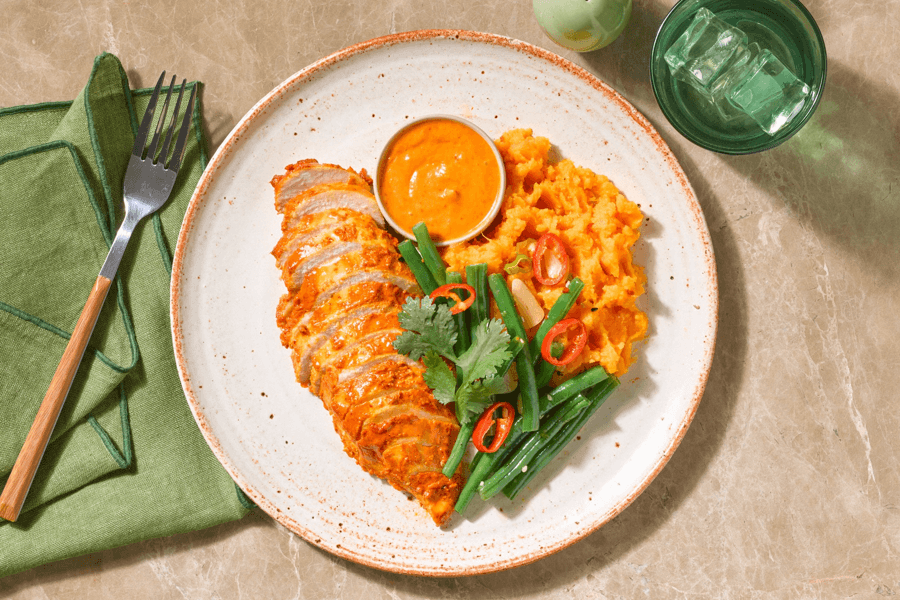
Frive’s Thai Red Chicken, Dressed Green Beans, Curry & Ginger Smashed Sweet Potato
The four levers that flatten the curve
Fixing your afternoon does not need a restrictive diet or a lifestyle overhaul. It comes down to four adjustments to your plate, in rough order of impact:
Lead with protein and fibre. In one clinical study, eating vegetables and protein before the carbohydrates cut the post-meal glucose rise by roughly 29% to 37% in the first hour. Start with a palm of protein and a generous helping of vegetables, and you build a buffer before any starch arrives.
Add a source of healthy fat. A drizzle of extra virgin olive oil, a handful of walnuts or half an avocado slows gastric emptying and stretches your energy release.
Keep refined carbs as the side. Shift the centre of the plate toward slower options like quinoa, lentils, chickpeas or wild rice, and treat white bread, pasta and rice as the supporting act.
Mind the drink. Swap fruit juice, smoothies and sweetened lattes for water, sparkling water, herbal tea or an unsweetened coffee to cut out the invisible liquid sugar.
For desk-friendly meals that already follow these rules, browse our lunch ideas for busy professionals.
| 3 quick swaps for tomorrow’s lunch |
|---|
| Add a protein: drop a handful of shredded chicken, two boiled eggs or some cubed tofu onto whatever you are eating. Swap juice for water: trade the juice or sweetened latte for plain or sparkling water to remove the main liquid spike. Eat vegetables first: start with the salad or greens to set up a fibre buffer before you touch the carbs. |
What a glucose-steady lunch looks like in practice
None of this means smaller portions or going hungry. A glucose-steady lunch is usually a fuller plate than a meal deal, just assembled in a different order. Think of it as a simple framework you can build from almost anything in the fridge or the work canteen:
Start with a palm of quality protein: grilled chicken, salmon, prawns, eggs, tofu, or a generous scoop of lentils or chickpeas.
Fill half the plate with vegetables or leaves for fibre, and eat them first.
Add a fist of a slower carb rather than a mountain of a fast one: quinoa, wild rice, sweet potato, or a slice of dense rye instead of white bread.
Finish with a thumb of healthy fat: olive oil, avocado, seeds, or a few nuts.
In practice that looks like a chicken, quinoa and roasted-vegetable bowl finished with olive oil; a salmon and lentil salad; or a tofu and vegetable stir-fry with a modest portion of rice. Each delivers the same flat, steady curve, and each keeps you satisfied into the evening rather than reaching for a biscuit at half past three. The exact recipe matters less than the principle: protein and vegetables first, slow carbs as the side, a little fat to round it off.
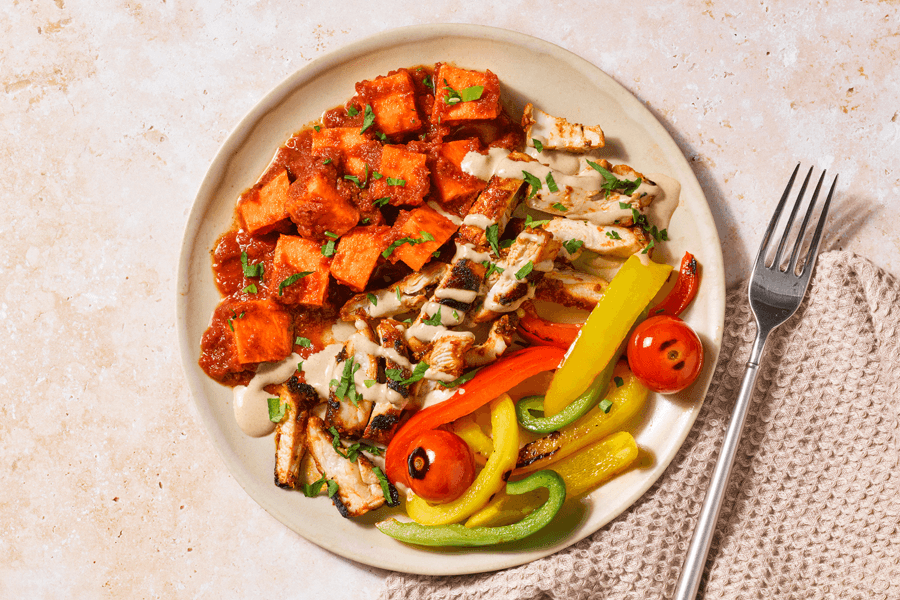
Frive’s Harissa & Tahini Chicken Thighs
The honest problem with “just build a better lunch”
Knowing the formula is the easy part. Executing it every single workday is where it falls apart. Mapping a glucose-friendly plate makes perfect sense on paper, but expecting yourself to step away from back-to-back meetings to shop, prep and macro-balance a meal ignores how a busy week actually runs.
This is not a willpower failure, it is decision fatigue. You start each day with a finite cognitive budget, and spending it on grocery runs and meal admin drains the energy you need for your work. By the time a demanding afternoon arrives with nothing left in the tank, your brain takes the path of least resistance: the meal deal, or the delivery app. The durable fix is not trying harder; it is removing the daily lunch decision altogether.
This is why the people who beat the slump consistently rarely rely on motivation. They engineer the decision out of their day, so the steady-energy lunch is simply what turns up at 1pm, whether or not they have any bandwidth left to think about it. Consistency, not the occasional heroic salad, is what turns a stable afternoon into the default.
The lowest-effort way to a stable afternoon
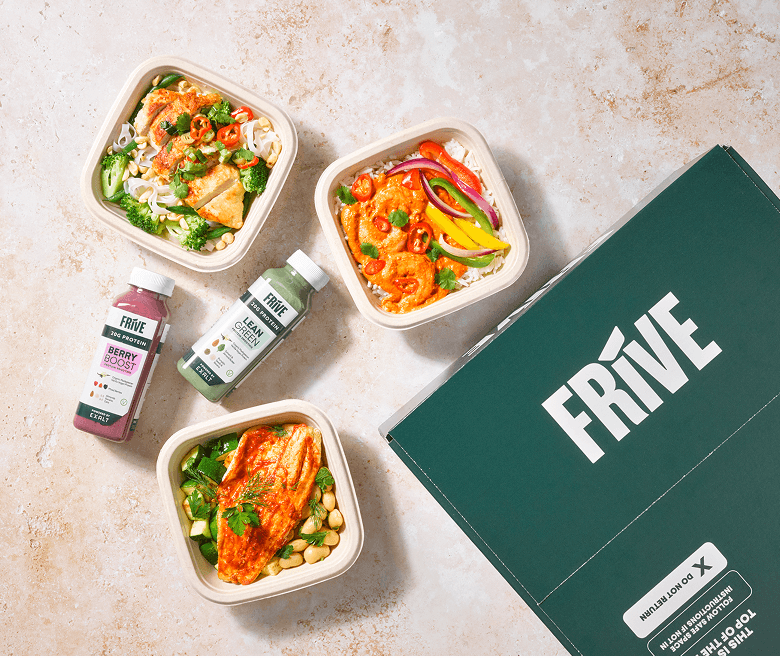
Automating your midday meal removes the daily kitchen battle and protects your focus without spending any mental energy on it. Frive is built to make a glucose-friendly lunch your default rather than the exception, and each part of how it works maps back to the mechanism above:
Macros balanced by a nutrition team. Every meal on the rotating menu is built with the right proportions of quality protein, complex carbohydrates and vegetables, so the curve stays flat with no counting or calculation from you.
100% natural ingredients. No ultra-processed ingredients, no refined seed oils and no hidden sugars in the bases or sauces, which removes some of the biggest triggers behind the sharpest spikes.
Whole, hand-cut vegetables. Greens and vegetables arrive fresh and are prepared by hand before cooking, never frozen, preserving the fibre density that helps slow digestion.
Three minutes from fridge to fork. Your balanced lunch is ready in less time than a walk to the corner shop, so the steadiest option is also the easiest one on a packed day.
A dependable, focused afternoon should not demand a daily sacrifice. Explore this week’s menu to see the macro-balanced dishes on rotation, take a look at our healthy ready meals plans, see how it works if you want to fit it into a normal week, or sort it for your whole team at work.
Frequently asked questions
Why do I crash after lunch but not after breakfast?
Lunch is usually the more carbohydrate-heavy, lower-protein meal of the day, often a sandwich, pasta or meal deal eaten quickly between tasks. That combination produces a sharper glucose spike and a bigger dip afterwards. Breakfasts tend to carry more protein and fat, which slow digestion and keep the curve flatter.
How long does the 3pm slump last?
For most people the worst of it passes within 30 to 90 minutes as blood sugar settles back to baseline. The aim is not to wait it out but to prevent it: a balanced lunch with protein, fibre and fat keeps energy steadier so the dip never really arrives. Most people notice a difference within a few days of changing their lunch.
Does coffee fix the slump or make it worse?
Black coffee can briefly mask tiredness by blocking the chemical that makes you feel sleepy, but it does nothing about the underlying glucose dip and the lift fades. A sweetened latte makes things worse by adding liquid sugar that fuels another spike and crash. If you want coffee, keep it unsweetened and pair it with a balanced meal.
Are bananas and smoothies bad for the 3pm slump?
A whole banana eaten with some protein or nuts is fine; its fibre is intact. Bottled and blended smoothies are the bigger risk, because breaking down or removing the fibre lets the fruit sugars hit your bloodstream fast. As a rule, whole fruit beats drunk fruit for steady energy.
Is the 3pm slump the same as reactive hypoglycaemia?
For most healthy adults, no. The everyday slump is normal energy variation, not a medical condition. True reactive hypoglycaemia is less common and involves a genuine drop below normal blood sugar. If your crashes are severe, come with shakiness or sweating, or happen regardless of what you eat, it is worth speaking to a GP.
What is the single most effective change I can make at lunch?
Lead with protein and vegetables before any starch. It is the lowest-effort, highest-impact lever: in one study, eating protein and vegetables before carbohydrates cut the post-meal glucose rise by roughly a third. Add a source of fat and keep refined carbs as a side rather than the centre of the plate.
Does a short walk after lunch help?
Yes. A gentle 10 to 15 minute walk after eating helps your muscles take up some of the glucose from the meal, which blunts the spike and the dip that follows. It is a useful add-on to a balanced plate, though it works best alongside the right lunch rather than as a substitute for it.