If you have ever tried to make sense of meal timing, you will recognise the whiplash. One colleague swears by never eating after 8pm. A headline warns that late dinners quietly pile on the pounds. Then a podcast tells you timing is a complete myth and a calorie is a calorie. All of this cannot be true at once, yet the advice keeps arriving with total confidence in every direction.
This is the honest, study-by-study version, written for the person who eats late most weeknights because work compresses dinner into the 8 to 9pm slot, not because they chose to. Your body genuinely does handle food a little differently across the day, and eating late genuinely is linked with worse outcomes for some people. But the size of that effect is modest, and most of it turns out to be about behaviour rather than metabolism. Here is what actually matters, and what you can safely stop worrying about.
Does when you eat actually matter?
Short answer: Yes, but far less than what and how much you eat. Timing is a secondary lever: get your total intake and food quality right first, and timing becomes the fine-tuning on top.
The honest picture is more interesting than either extreme, and it holds up study by study. Eating late genuinely is associated with worse outcomes for some people, but most of that turns out to be about behaviour rather than metabolism. Here is where the popular claims actually land.
Your metabolism has a body clock
Short answer: Yes, the same meal is handled a little more efficiently in the morning than late at night, but the difference is modest, not a switch that flips at sunset.
Almost every system in your body runs on a roughly 24-hour circadian rhythm, and digestion is no exception. Insulin sensitivity, the thermic effect of food (the energy your body spends simply processing a meal) and glucose handling are all generally better earlier in the day and blunter in the evening. In practice, an identical plate nudges your blood sugar a little higher at 10pm than it would at 8am.
The reason comes down to your body clock winding down the machinery that processes food. As the day goes on, insulin becomes slightly less effective at clearing glucose from the blood, and the muscles that soak up much of that glucose are less primed than they are first thing. It is the same reason a very late, heavy meal can leave you feeling sluggish rather than satisfied: you are asking your body to do daytime work on an evening setting.
The clearest single demonstration comes from a tightly controlled crossover study which found that the thermic effect of food was about twice as high after breakfast as after an identical dinner. Put plainly, the body spent noticeably more energy just digesting the morning meal.
It is worth keeping this honest. The effect is real and measurable, but it is modest in healthy people, not a metabolic cliff-edge. Nobody gains weight purely because the clock said 9pm. This daily rhythm is really part of the same picture as your metabolic flexibility, your body’s ability to switch cleanly between fuels, and it sets up the more important question: what actually happens when you eat late.
The late-night eating question
Short answer: Late eating is linked with weight gain mainly because of what and how much gets eaten late, with a smaller but genuine contribution from your body clock.
There are two separate things going on here, and popular coverage constantly blurs them. The first is the modest circadian effect above. The second, and larger, is behavioural: what tired, depleted evening decision-making actually reaches for.
On the physiology, a rigorous randomised crossover study had people eat identical meals either early or late, controlling calories, sleep and activity, and found that eating late increased hunger, reduced waking energy expenditure and shifted fat-tissue biology toward storage. The calories were matched, so this was timing alone.
The strongest single finding: in a controlled trial where every meal was identical, eating on a late schedule left people measurably hungrier across the day and lowered the calories they burned while awake, compared with eating the same food earlier.
The hormonal side is worth naming plainly. Late, short or disrupted eating and sleep patterns tend to nudge the hunger hormone ghrelin up and the fullness hormone leptin down, so a late-night pattern can leave you hungrier the next day rather than more settled. That extra hunger is subtle in the moment, but repeated night after night it quietly raises how much you eat overall, which is the loop that does the real damage.
But hold that in proportion. The effect was real yet modest, and it describes a fairly extreme early-versus-late contrast. For most people the far bigger issue is the second mechanism. A 9pm finish means decisions get made on an empty tank, and a tired brain does not reach for grilled salmon and greens. It reaches for toast, crisps, cereal or a takeaway: snack-format, ultra-processed food eaten quickly and often beyond fullness. That is where the weight effect mostly lives, and it is why late eating and poor food quality are so often the same problem wearing different labels.
Intermittent fasting and eating windows: what the trials show
Short answer: Time-restricted eating works for the people it works for because it quietly cuts total intake, not because the eating window itself melts fat.
Time-restricted eating, the umbrella term for approaches like 16:8, means confining your food to a set window each day. It is genuinely useful for a lot of people, but for a simple reason: a shorter window tends to mean fewer chances to eat, and therefore fewer calories overall.
The clearest test came from a twelve-month randomised trial that compared calorie restriction plus an eight-hour eating window against the same calorie restriction with no time limit. Both groups lost weight, and there was no significant difference between them. When intake is matched, the window adds little on its own.
That does not make time-restricted eating pointless; it makes it a structure. For someone who finds a defined window an easy way to stop grazing, it is a helpful scaffold. For someone prone to rebound eating or a difficult relationship with food, an enforced fast can backfire. It is one optional tool, not a requirement. The related question of whether skipping breakfast helps is really the same question in disguise, and we go deeper in our look at whether breakfast is actually the most important meal of the day.
In practice, the people who see the biggest change from a shorter eating window are those who were grazing from breakfast until bedtime and simply needed a boundary. If your eating is already reasonably contained, squeezing it into eight hours rarely moves the needle, because there were not many extra calories in the margins to cut. That is the whole trick, and it is a useful one, but it is a trick of intake, not of the clock.
What actually works: the timing hierarchy
Short answer: Fix food quality and portions first, make your meals regular second, and aim for an earlier dinner third. In that order.
If you take one thing from all the evidence, let it be the order of operations. Timing tweaks only pay off once the foundations are in place, so here is the hierarchy from most to least important.
1. Food quality and portions come first. This is the bulk of the result. No eating window or early dinner rescues a diet built on too much ultra-processed food. If you are eating well but the scales are stuck, our guide to why you might not be losing weight in a calorie deficit is the more useful place to start.
2. Meal regularity comes second, and it is the most underrated lever here. Eating at reasonably consistent times, rather than an erratic pattern of skipped meals and late binges, supports appetite regulation. A crossover study even found that people burned less energy digesting their food on an irregular meal pattern than on a regular one, despite eating the same amount.
3. An earlier, consistent dinner comes third, applied where real life allows. This is the genuine timing lever, and it is worth pursuing once the first two are handled, not instead of them.
It helps to think of this as building from the ground up. The foundation has to be solid before the finishing touches mean anything, and most people who agonise over timing are decorating a house that has no foundation yet. Sort the food, steady the pattern, then, if you can, pull dinner earlier.
The takeaway that matters for a busy professional is the middle one: regular, predictable meals do more for appetite and adherence than any clever fasting protocol. And no timing trick rescues a poor diet, so please do not fast aggressively through the day to make up for it.
Loading the menu…
Making the earlier dinner actually happen
Here is the honest catch. If you have read this far, you already know an earlier, balanced dinner would help. The problem was never knowledge; it is the 8 to 9pm finish that makes cooking one feel impossible. When dinner is a from-scratch project at the end of a long day, the earlier meal loses and the toast-or-takeaway dinner wins. That is the single biggest timing failure mode for this reader, and it is a logistics problem, not a willpower one.
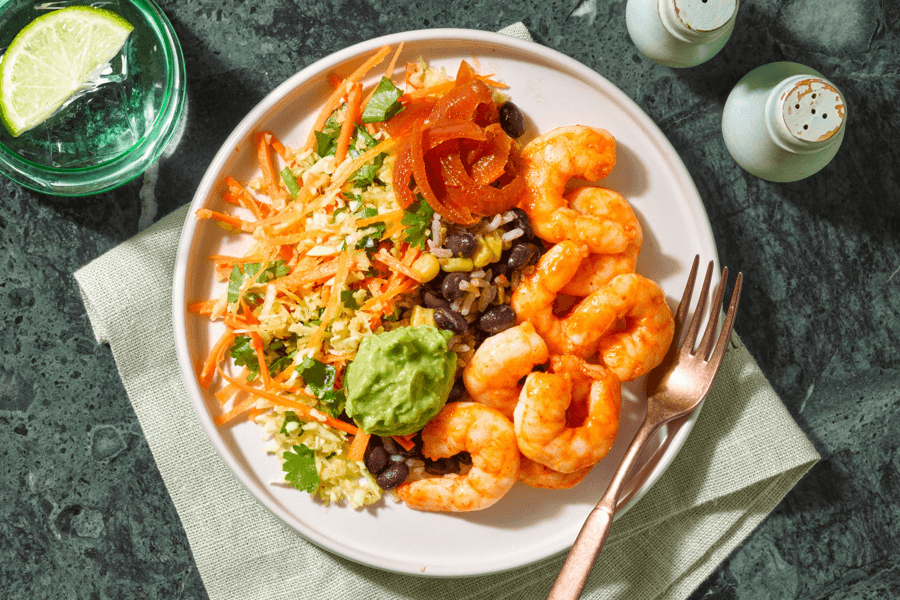
This is the specific gap Frive is built to close. A natural, dietician-approved dinner ready in around three minutes collapses the distance between finishing work late and having a balanced dinner eaten to almost nothing, which is what makes an earlier, consistent dinner realistic on a weeknight rather than aspirational, and it sidesteps the late-night cooking trap entirely. Because the meals are made from 100% natural with no ultra-processed ingredients, the late dinner that does happen is not the snack-format food the evidence warns about. Meals are personalised to your goals, so the calorie and macro consistency all this timing advice is meant to protect stays intact, and with more than a hundred meals rotating each month, a consistent dinner routine does not curdle into a repetitive one.
None of this is a metabolic magic trick, and we are not claiming the clock matters more than it does. It simply removes the friction that stops the sensible thing from happening. If that is the corner you keep getting stuck in, our weight-loss meal plans and this week’s menu are the practical place to start.
FAQs
Does eating late at night cause weight gain?
Not by itself. Eating late is linked with more hunger and slightly lower calorie burning, but the main reason late eaters gain weight is what they eat late: tired evenings favour snack-format, ultra-processed food eaten past fullness. Fix the food and the clock matters far less.
Is it bad to skip breakfast?
Not necessarily. Skipping breakfast only helps weight loss if it genuinely lowers your total intake for the day. For many people it simply shifts hunger and calories later. If skipping keeps you satisfied and within your target it is fine; if it triggers overeating at night, it is not.
Does intermittent fasting work for weight loss?
For many people, yes, but not for the reason usually claimed. In matched trials, time-restricted eating produces the same weight loss as plain calorie restriction. It works as a structure that reduces total intake, not as a metabolic fat-loss trick, and it is optional rather than necessary.
What is the best time to eat dinner?
There is no magic hour, but earlier and consistent beats late and erratic. Where your schedule allows, finishing your evening meal two to three hours before bed suits your body clock and your sleep. Consistency from day to day matters more than hitting a precise time.
How late is too late to eat?
There is no universal cut-off. The concern with very late meals is partly a modest circadian effect and mostly the food choices a tired evening encourages. If you eat late, the priority is a balanced, natural meal rather than snacks, and leaving a little time before sleep.
Does eating the same food at different times change how many calories I absorb?
Slightly. Your body spends more energy digesting a meal in the morning than an identical one late at night, and handles glucose a little better earlier in the day. The difference is real but modest, and far smaller than the effect of your total daily intake.
If I have to eat late, what should I eat?
Aim for a proper balanced plate rather than snack-format food: protein, fibre and vegetables instead of toast, crisps or cereal. The problem with late eating is rarely the timing itself; it is the low-quality, easy-to-overeat food that tired evenings default to. Keep the meal real and portion-sensible.